Two Wheels, Craft Pours, and Open Roads: Your Ultimate Tsuchiura Brewery Bike Route Guide
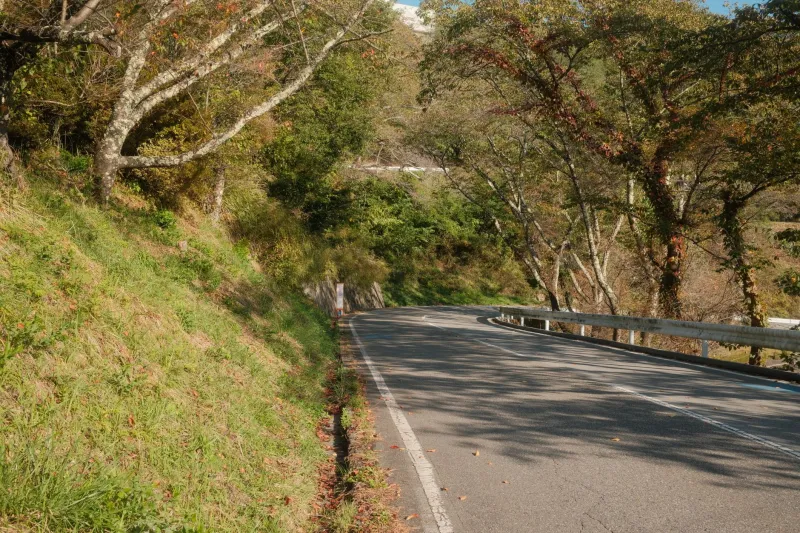
Let's be honest — cycling is always better when there's something worth stopping for. In Tsuchiura, that something comes in the form of craft beer taprooms, centuries-old sake breweries, and small-batch shochu producers tucked along quiet backroads that hug Lake Kasumigaura. The terrain is forgiving (read: blessedly flat for the most part), the scenery swaps between open water and rice paddies, and the local beverage culture is genuinely worth your time and your tastebuds.
For US travelers who've done the Napa bike-and-wine thing or pedaled through Portland's brewery district, this is Japan's answer — quieter, more personal, and honestly a little more surprising. Here's how to make the most of it.
Why Tsuchiura Works So Well for This Kind of Trip
The geography does a lot of the heavy lifting. Lake Kasumigaura is one of Japan's largest lakes, and the cycling paths that trace its edges are well-maintained, relatively uncrowded, and flat enough that you don't need to be a triathlete to enjoy them. That's a big deal when you're planning a day that involves actual alcohol consumption.
Beyond the terrain, Tsuchiura sits in Ibaraki Prefecture — a region with a serious sake heritage. Ibaraki consistently ranks among Japan's top sake-producing prefectures, and that tradition has quietly inspired a newer wave of craft beer and spirits makers who've set up shop nearby. The result is a surprisingly dense cluster of beverage destinations within reasonable cycling distance of each other.
The Routes: Pick Your Distance, Pick Your Vibe
The Lakeside Sampler (12–15 miles round trip)
This is the sweet spot for most visitors — long enough to feel like an adventure, short enough that you're not wrecked by stop three. Start at Tsuchiura Station, where several bike rental shops operate (daily rates typically run ¥1,000–¥1,500, roughly $7–$10 USD). Head south along the lake path and work your way toward the smaller neighborhoods where local sake producers have operated for generations.
This route is ideal for groups with mixed fitness levels. The path is mostly paved, shaded in stretches, and offers lake views that make for genuinely good photo stops. Plan for two or three beverage destinations and build in a lunch break — there are small teishoku spots along the way that do set meals for under ¥1,000.
The North Loop (20–28 miles)
For cyclists who want to actually earn their pints, the north loop extends past the immediate city center and into more rural Ibaraki countryside. This is where you're more likely to stumble onto a family-run sake brewery that's been operating for over a century, or a craft beer producer who relocated from Tokyo specifically for the water quality and open space.
Expect some gentle elevation changes on this route — nothing brutal, but enough to remind you that your legs exist. The payoff is scenery that feels genuinely off the tourist map: farmland, small shrines, and the kind of quiet that's hard to find in most of Japan's more visited regions.
The Short Hop (6–8 miles)
Not every day needs to be an epic. If you're short on time or just want a relaxed morning ride with one solid destination, the short hop keeps things manageable. Pick a single brewery or sake producer near the waterfront, ride out, take your time with a tasting flight or a tour, grab lunch nearby, and roll back at your own pace. It's a completely valid way to spend a morning in Tsuchiura.
Tasting Smart: How to Drink Mid-Ride Without Ruining the Ride
This is the part that US visitors sometimes underestimate. Japanese sake and craft beers are not watered down, and tasting flights add up faster than you'd expect. A few practical ground rules:
Eat before you start and eat between stops. Most breweries and sake producers in the Tsuchiura area don't serve heavy food on-site — they're beverage operations first. Pack snacks or plan your route around a lunch stop between your first and second destinations.
Hydrate aggressively. Japan in spring and summer is humid. You're sweating more than you think, and alcohol dehydrates you faster in that environment. Carry a water bottle and refill it at convenience stores along the route — there are enough 7-Elevens and Lawsons scattered around that you're never far from one.
Limit yourself to two or three tastings per stop. Most places offer flights of three to five pours. You don't have to finish all of them. It's completely acceptable to taste, pick a favorite, and move on. The goal is to enjoy the experience, not to maximize consumption before getting back on a bike.
Designate a non-drinking rider if you're in a group. Cycling under the influence is taken seriously in Japan. Traffic laws apply to cyclists, and while the lakeside paths are low-traffic, you'll eventually need to navigate actual roads. If someone in your group wants to sit out the tastings and stay sharp, that's a solid call.
What You're Actually Drinking
Sake is the obvious headliner in Ibaraki, and the local stuff is worth paying attention to. Look for junmai daiginjo styles if you want something clean and fragrant — great for sipping on a warm afternoon. If you prefer something with a little more body and earthiness, ask about junmai varieties. Many producers offer guided tastings in basic English or have bilingual menus.
Craft beer in the Tsuchiura area tends to lean toward sessionable styles — pale ales, wheat beers, and lagers that are brewed with local water and sometimes local ingredients like yuzu or rice. These are designed to be approachable, which works in your favor on a bike day.
Shochu, if you encounter it, is worth a small pour. It's a distilled spirit — lower in calories than most Western spirits, typically 25% ABV, and often made from sweet potato, barley, or rice. It's not as sweet as you might expect, and it pairs well with the kind of light snacks you'd be eating mid-ride.
Logistics Worth Knowing Before You Go
Bike rentals are available near Tsuchiura Station, but availability can be limited on weekends and during festival season. Book ahead if you can, or ask your accommodation if they offer rentals or can recommend a shop.
Google Maps works reliably in this area, and most cycling routes can be pulled up without needing a local SIM if you download offline maps in advance. That said, paper maps from the tourist information office near the station are genuinely useful — they mark smaller roads and beverage producers that don't always show up in digital searches.
Most sake breweries and craft beer taprooms are closed on Mondays and some Tuesdays. Check hours before you build your route around a specific stop. Nothing derails a bike day faster than showing up to a locked door.
Finally — bring cash. Smaller producers in rural Ibaraki often don't take cards, and ATMs outside of convenience stores can be hit or miss with foreign bank cards.
The Real Reason to Do This
There are faster ways to drink good sake and better-equipped places to rent a road bike. But there's something specific about covering ground under your own power, stopping when something looks interesting, and walking into a small brewery where the person pouring your tasting is also the person who made it. That's the version of travel that sticks with you — and Tsuchiura is set up for it in a way that most people don't realize until they're already here.
Pedal out. Sip something local. Repeat as conditions allow.