Soak It Off: How Tsuchiura's Onsen Culture Turns a Rest Day Into the Best Day
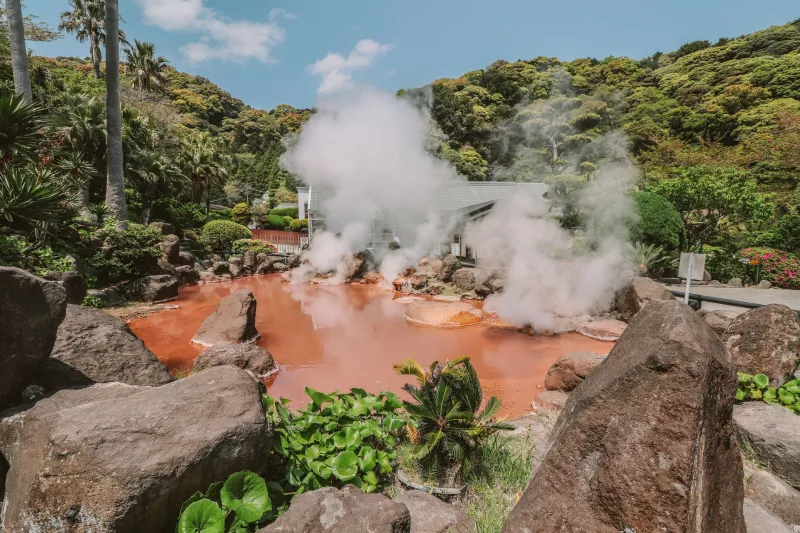
Somewhere between your third temple visit and your fourth train transfer, travel stops feeling like adventure and starts feeling like a second job. Your feet ache. Your back has opinions about that hostel mattress. Your brain is full. This is the exact moment Tsuchiura has been quietly waiting to step in — not with another must-see attraction, but with something far more useful: a seriously good soak.
Onsen culture in Japan is one of those things Americans tend to either skip entirely (intimidated by the nudity rules) or do once at a resort and walk away thinking, "okay, that was fine." Neither of those is the right outcome. When you find a genuine local bathhouse in a city like Tsuchiura — away from the Hakone tour buses and the Instagram-optimized ryokan pools — something shifts. It stops being a tourism activity and starts being the thing you reorganize your whole itinerary around.
What Actually Makes an Onsen Different from a Regular Bath
Let's clear this up first, because the word gets thrown around loosely. A true onsen draws water from a natural geothermal spring, and in Japan, that water has to meet specific mineral content thresholds set by national law to earn the label. That's not marketing language — it's regulated.
The water in and around the Ibaraki region, where Tsuchiura sits, tends to be rich in sodium bicarbonate and calcium, which gives it that slightly silky feel on the skin. Regular hot water doesn't do that. The mineral content is part of why your skin feels different afterward — softer, less irritated — and it's also part of why your muscles respond differently than they would to a standard hot shower. You're not just warming up. You're bathing in something that has actual chemistry behind it.
The temperature matters too. Most onsen pools run between 104°F and 111°F — hotter than a typical American hot tub, and intentionally so. That sustained heat drives blood closer to the skin's surface, lowers blood pressure over time, and triggers a parasympathetic response that basically tells your nervous system to stand down. Science aside, it just works. You get in tense and you get out loose.
The Tsuchiura Approach: Low-Key, Local, Legit
Tsuchiura isn't a famous onsen destination the way Beppu or Kusatsu are, and that's precisely the point. The bathhouses here cater to locals — the retired couple who comes every Tuesday morning, the construction crew washing off after a long shift, the college student who lives nearby and uses it as a social ritual. There's no performance happening. Nobody is staging the experience for you.
Yumoto Kasumigaura is probably the most well-known facility in the area and a solid starting point for first-timers. It's accessible, clean, and the staff have enough experience with uncertain-looking visitors that they won't make you feel like you've wandered into the wrong place. The indoor pools are well-maintained, the water temperature is consistent, and there's a rest area where you can stretch out afterward and let the heat work its way out of your system before you stand up too fast and regret it.
For something with a bit more character, smaller neighborhood sento (public baths that may use heated tap water rather than spring water, but follow the same cultural customs) are worth exploring around the older residential streets closer to the lake. These spots charge next to nothing, have been operating for decades, and offer an experience that feels genuinely embedded in daily Tsuchiura life rather than packaged for tourism.
First-Timer Etiquette Without the Anxiety
Okay, the part everyone is actually nervous about. Yes, you go in without a swimsuit. Yes, it's separated by gender. Yes, everyone can see you. No, nobody is looking at you or thinking about you. Japanese bathing culture is built around a collective understanding that this is a functional, communal space — not a social event where appearances are being evaluated. Once you're actually in the water, the self-consciousness evaporates fast.
Here's the actual sequence: You pay at the front, grab a small towel if you didn't bring one, and head to the changing room. Everything comes off, everything goes in the locker. You take your small towel with you into the bathing area — it's used for modesty during the walk, not in the water. Before you get in any pool, you sit at one of the low shower stations along the wall and rinse off completely. This is mandatory, not optional. It's basic hygiene etiquette and everyone does it. After that, you're free to ease into whichever pool suits your temperature tolerance.
A few other things to know: tattoos are a complicated issue at some facilities — policies vary, and it's worth checking in advance if this applies to you. Phones and cameras stay in the locker. Don't submerge your towel in the main pool. And if you're not sure what something is, watching what the person next to you does is completely acceptable and will get you through 95% of situations.
Timing Your Visit for Maximum Effect
Seasonal context changes the experience more than you'd expect. Winter visits — and Ibaraki winters are genuinely cold — transform a regular soak into something almost meditative. The contrast between the frigid air and the hot water is sharper, the steam is more dramatic, and there's something deeply satisfying about warming up from the outside in when the temperature outside is hovering near freezing.
Spring and fall are the sweet spots for outdoor rotenburo pools if the facility has them. The water temperature stays consistent year-round, but sitting in a hot pool with cherry blossoms drifting past or maple leaves turning overhead is the kind of thing that gets permanently filed under "moments I didn't expect to have on this trip."
Summer onsen visits require a bit more strategy. The heat can be intense, so shorter soaks, cooler alternating pools, and serious post-soak hydration are the move. Many locals actually prefer morning visits in summer — before the day heats up — which has the bonus of hitting the bathhouse during its quietest, most peaceful hours.
Don't Rush the After Part
This is where a lot of visitors leave value on the table. The soak itself is maybe 20 to 40 minutes. The recovery period after — when your body is still radiating heat, your heart rate is settling, and your brain has gone almost completely quiet — is just as important. Most facilities have a rest lounge for exactly this reason. Use it. Drink some water or cold barley tea if it's available. Lie down if there's space. Let the whole thing land.
You'll notice that your appetite changes afterward. A light meal — a bowl of rice, some pickles, maybe a simple bowl of udon from a spot near the bathhouse — hits completely differently after an onsen than it would mid-sightseeing. There's a reason this is how locals end a long day.
If you've been treating recovery days on your trip as dead time — days you're just waiting to get back to the good stuff — Tsuchiura's onsen culture is here to reframe that entirely. The rest day might end up being the one you talk about most when you get home.