One Bowl, Decades of Devotion: Inside Tsuchiura's Obsessive Ramen Underground
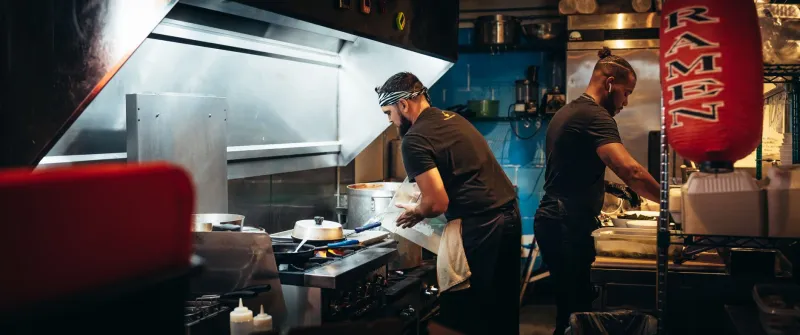
There's a particular kind of quiet that settles over a ramen shop before it opens. The broth is already going — it's been going since before sunrise, sometimes since the night before. The owner moves slowly, not because they're tired, but because they've done this so many times that urgency would actually be the strange thing. In Tsuchiura, that scene plays out in a handful of shops that most tourists never find, and that's exactly the point.
Ramen in Japan isn't fast food. It never really was. But somewhere between the instant noodle aisle at your local grocery store and the Instagrammable tonkotsu chains that have popped up in American cities, the deeper story got lost. Tsuchiura is one of the places where that story is still being told — one long-simmered bowl at a time.
Why Tsuchiura? Why Here?
Tsuchiura doesn't have the culinary fame of Tokyo or Sapporo. It doesn't market itself as a ramen destination. And that, weirdly, is part of why its ramen scene has developed the way it has. Without the pressure of tourist foot traffic or trendy food media attention, the city's most dedicated bowl makers have been free to just... cook. To obsess. To refine.
The proximity to Lake Kasumigaura also matters. Several local shop owners will tell you, if you ask the right way, that the pace of life near the water shaped how they think about cooking. Slow. Deliberate. Patient. The lake doesn't rush, and neither does the broth.
The Man Who's Been Pulling the Same Noodle for 30 Years
Near the older commercial stretch east of Tsuchiura Station, there's a shop with a hand-painted sign that's been faded for at least a decade. The owner — a compact, soft-spoken man in his late sixties — has been making the same shio (salt-based) ramen since the early 1990s. He learned the recipe from his father, adjusted it once in 1998, and hasn't touched it since.
His broth uses dried seafood sourced from the same supplier his father used. The noodles are made fresh each morning in a back room barely big enough to turn around in. He opens at 11:30 and closes when he runs out, which is usually around 1:30 in the afternoon. There's no dinner service. There's no weekend special. There's just the bowl.
Regulars drive from Mito, from Tsukuba, from the outer edges of greater Tokyo. Some come monthly. A few come weekly. They don't take photos. They eat, they thank him, and they leave. The whole experience has the texture of a ritual — which, if you talk to him long enough, is exactly how he describes it.
"If I change the bowl," he said once, through a translator, "I lose the thread of what I'm making. I'd have to start over. I'm not done yet."
The Younger Master Who Studied Under Three Teachers
Not everyone in Tsuchiura's ramen world is working from inherited recipes. One shop owner in his early forties spent nearly a decade apprenticing — first under a tonkotsu master in Fukuoka, then a shoyu specialist in Asakusa, then briefly under a miso ramen artisan in Sapporo before returning to Tsuchiura, where he grew up.
His shop is slightly more modern-looking, though still nothing flashy. What he makes is harder to categorize: a hybrid shoyu broth with a clean pork backbone and a brightness that comes from a dashi he developed himself over two years of testing. He's written nothing down. It lives in his hands and his nose.
American visitors sometimes ask him if he'd ever open a second location or bottle the broth. He finds the questions genuinely puzzling. "The bowl is the place," he says. "You can't separate them."
That philosophy — the idea that the physical space, the specific kitchen, the particular moment are all part of what you're tasting — is something American food culture is only beginning to articulate. In Tsuchiura's ramen underground, it's just assumed.
The Woman Who Proved the Critics Wrong
For a long time, the ramen world in Japan was almost entirely male. That's been shifting, slowly, but in Tsuchiura there's a shop run by a woman in her fifties that's become something of a quiet landmark for exactly that reason — though she'd probably prefer you just talk about the broth.
Her specialty is a rich, deeply savory miso ramen with toppings that reflect the agricultural character of Ibaraki Prefecture: locally grown vegetables, regional pork, a soft-boiled egg from a farm she's been buying from for fifteen years. The broth takes two days to develop fully. She serves it with house-made chili oil that she'll bring to your table separately if you ask, which you should.
She opened her shop after working in izakayas for over a decade, and the izakaya influence shows in how she runs the room — warm, conversational, unhurried. First-time visitors sometimes linger for an hour after finishing their bowl. She doesn't rush them out.
"People come here tired," she said during one conversation. "I want them to leave differently."
The Pilgrimage Mentality and What It Means for You
In certain corners of Japanese food culture, there's a practice called "hashi-bashiri" — roughly, running from chopsticks to chopsticks, chasing specific dishes across distances that would seem absurd for a meal. Tsuchiura's ramen shops have quietly become destinations for this kind of devoted, purposeful eating.
For American visitors, the concept can feel foreign at first. We're used to convenience, to options, to the idea that if one place is closed there's always another. The pilgrimage model asks you to slow down, to plan, to accept that the thing you're after is worth a little inconvenience.
But here's what happens when you lean into it: the bowl tastes different. Not because the recipe changed, but because you did. You showed up with intention. You waited. You paid attention.
That might sound like food-world mysticism, but spend an afternoon in one of these shops and it starts to make a different kind of sense. The broth took thirty years to get right. The least you can do is be present for the twenty minutes it takes to eat it.
How to Find These Places (And What to Expect)
A few practical notes for US visitors planning a ramen-focused stop in Tsuchiura: most of these shops have no English menus, limited seating, and hours that don't follow standard restaurant logic. Google Maps helps, but word of mouth from locals and guesthouse owners is more reliable. Showing up at opening time is always a good idea. Showing up an hour before closing is a gamble.
Order simply on your first visit. Point at what the person next to you is having if you're unsure. Slurping is not only acceptable, it's encouraged — it aerates the broth and shows the cook you're engaged with what they made. Skip your phone for the first few bites. Just eat.
Tsuchiura isn't going to hand you its best ramen on a platter. You have to go looking. But the looking is half the experience, and when you finally sit down with that bowl in front of you, steam rising, broth catching the light — you'll understand why people drive two hours for this.
Some things are worth the trip. This is one of them.