Real Talk: What Tsuchiura's Most-Photographed Spots Actually Look Like When You Show Up
Let's be honest for a second. You've probably saved at least one dreamy photo of Tsuchiura to your travel board — glassy lake reflections, cherry blossoms so dense they look painted, a café interior that feels like it was built specifically for a slow-motion reel. And those images aren't fake. They're just... selective. Carefully timed, expertly framed, and almost certainly taken on a Tuesday morning in mid-April when nobody else was around.
That gap between the curated post and the real experience isn't unique to Tsuchiura, but it is worth talking about before you book your trip. Because here's the thing: the actual experience is often just as good — sometimes better — once you know what to expect and when to show up.
Lake Kasumigaura at Golden Hour (Yes, It's Real — But So Is the Wind)
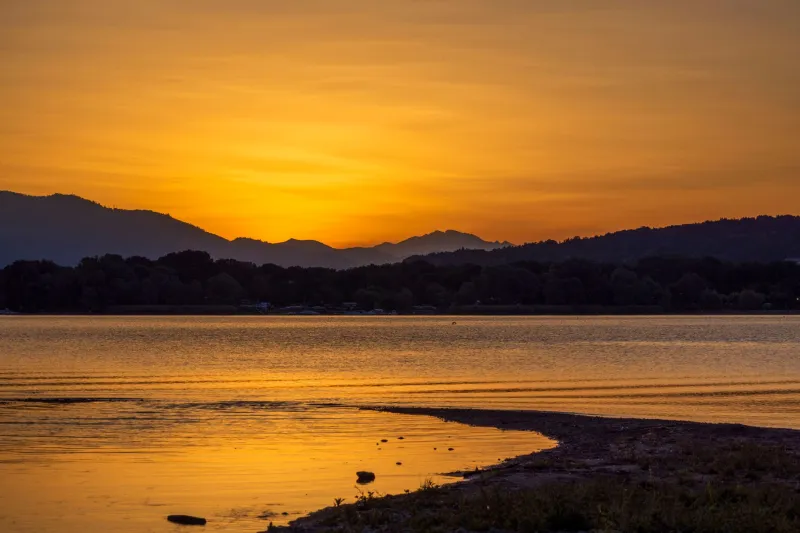
The lake photos you've seen are not lying to you. Lake Kasumigaura genuinely does turn into something out of a landscape painting when the light drops low in the afternoon. The water goes amber, the horizon softens, and if you're positioned right along the waterfront promenade, it feels like the whole world just exhaled.
But here's what the photos skip: the wind. Kasumigaura is one of Japan's largest lakes, and that means open exposure to whatever the atmosphere feels like doing that day. On breezy afternoons, you're getting choppy water instead of mirror-calm reflections. That's not a dealbreaker — choppy Kasumigaura has its own kind of drama — but it does mean you might need to adjust your expectations around that perfectly still surface shot.
Best time to visit for the calm, photogenic version: early mornings between May and September, when wind is typically lowest and the light is soft rather than harsh. Weekday mornings especially feel almost private. Weekends in cherry blossom season (late March to mid-April) bring crowds to the waterfront, but the energy is festive rather than overwhelming — locals with picnic blankets, kids on bikes, food stalls doing solid business.
Tsuchiura Castle Ruins: Smaller Than You Think, More Atmospheric Than You'd Expect
This one surprises a lot of visitors. The castle ruins photos circulating online tend to use angles that emphasize scale — low shots looking up at stone walls, framing that cuts out the surrounding park. In person, the remaining structures are modest. This isn't Himeji. What's left is a section of stone fortification and a small turret, preserved within a compact park right in the city center.
And honestly? That intimacy works in its favor. Without the crowds that flood Japan's bigger castle sites, you can actually sit with the place. The stonework is beautiful up close. The surrounding park is quiet and well-maintained. There's a contemplative quality to it that larger tourist castles simply can't offer anymore.
If you've been to Osaka Castle on a peak summer weekend and felt like you were at a theme park, the Tsuchiura ruins feel like the antidote. Come in the late afternoon on a weekday. Bring a snack. Nobody's rushing you.
The Sakura Strips: Managing the Crowd Without Missing the Bloom
The cherry blossom images from Tsuchiura's parks — particularly around the Koen-dori area and along the lake — are legitimately stunning and also legitimately crowded during peak bloom. This is one of those cases where the photo and the reality are both accurate at the same time, just representing different moments.
Peak weekend afternoons in late March or early April bring out locals, day-trippers from Tokyo, and families in full hanami mode. It's lively, it smells like yakitori and convenience store beer, and there's a communal joy to it that's actually kind of wonderful if you let yourself lean in rather than fight it.
But if you want the quieter version — the one that looks like the photos — set an alarm. Seriously. Being at the lakeside promenade at 6:30 or 7 a.m. during bloom season is one of the genuinely magical experiences Tsuchiura offers. The blossoms are the same. The crowds are not.
The Café Scene: Cozy in Real Life, Just Harder to Find
Tsuchiura has a genuinely charming independent café culture, and some of those interiors you've seen on social media are real places you can actually sit in. Exposed wood, hand-thrown ceramics, menus written in careful handwriting on chalkboards — this aesthetic exists here and it's not manufactured for tourists.
The catch is that some of these spots are small. Like, six-tables small. Showing up on a Saturday afternoon without knowing the place's rhythm can mean a wait or a full house. Most don't take reservations. The workaround is simple but requires a little flexibility: go on weekday afternoons, roughly 2 to 4 p.m., which is the dead zone between lunch rush and after-work traffic. You'll often have the place nearly to yourself, which is exactly the vibe those photos were selling you in the first place.
Also worth noting: the photos usually don't show the language barrier reality. Menus may be Japanese-only, and staff English levels vary. This isn't a problem — pointing, smiling, and a translation app get you very far — but it's worth mentally preparing for rather than being caught off guard.
The Angles Nobody Posts
Here's the thing about Tsuchiura that the algorithm doesn't fully capture: some of the best visual moments aren't at the designated spots at all. The narrow backstreets behind the main shopping area have a worn, lived-in texture that photographs beautifully if you're paying attention. The view from the bridge over the canal on an overcast day has a moody quality that rivals anything on the waterfront. The produce stalls at the local morning market — colors stacked against weathered wooden crates — are genuinely more interesting to look at than most of the "scenic viewpoints" getting the clicks.
Social media optimizes for the obvious. Traveling well means being willing to wander past the pin on the map.
Bottom Line
Tsuchiura's photogenic reputation is earned. The lake is real. The blossoms are real. The charming cafés exist. But like any place worth visiting, the experience is richer and more textured than any curated grid can communicate. Show up with flexible timing, a willingness to wake up early when it counts, and the curiosity to look slightly left of wherever everyone else is pointing their camera. That's where the good stuff lives.