The Counter Seat Is Yours: A Solo Diner's Honest Guide to Eating Well in Tsuchiura
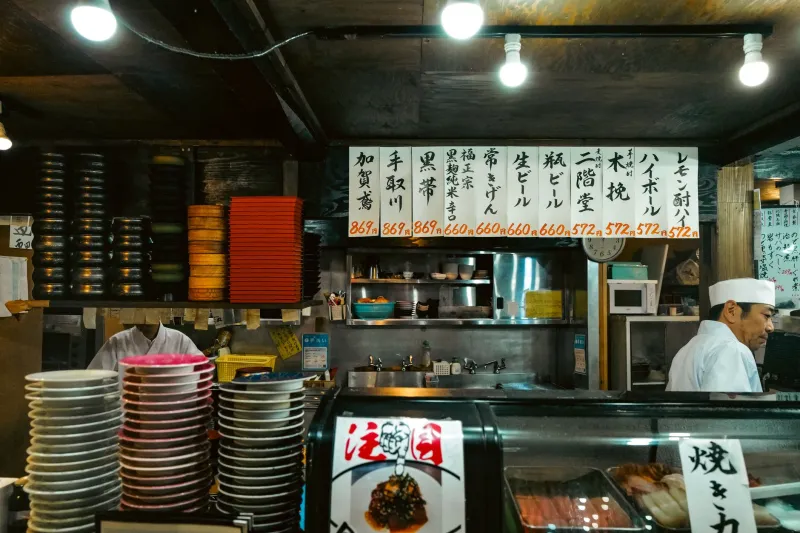
Solo travel is one thing. Solo dining is another. There's a specific kind of self-consciousness that kicks in when you walk into a restaurant alone, scan the room full of couples and groups, and get seated at a table clearly designed for two. The extra place setting. The menu handed to you like a consolation prize.
Tsuchiura doesn't really do that to you.
The city's food culture leans heavily on counter seating — the long bar-style setup where you sit facing the kitchen, the chef is a few feet away, and the whole arrangement makes eating alone feel not just normal but genuinely preferable. If you're an American traveler coming through and you want to eat well without the performance of a group dinner, you've landed in the right place.
Why Counter Culture Works So Well Here
Counter dining has deep roots in Japanese food culture — sushi bars and ramen shops have operated this way for generations. But what makes Tsuchiura particularly good for solo diners is scale. This isn't a major city with a parade of tourist-facing restaurants. Most of the places worth eating at are small, owner-operated, and built around the counter as the primary experience.
That changes the dynamic completely. When a restaurant has eight counter seats and the chef is making everything in front of you, you're not an afterthought — you're the audience. The food is the show. The chef knows you're there, knows you're watching, and often takes a quiet pride in that.
For American visitors who are used to dining as a social event organized around conversation, this reframe takes a minute to settle into. But once it does, it's kind of revelatory. You can just focus on the food. No one needs you to be entertaining.
The Unspoken Rules (That Aren't Actually That Complicated)
Japanese dining etiquette has a reputation for being elaborate and easy to get wrong. The reality, especially in casual counter settings, is more forgiving than people expect. A few things worth knowing:
You don't need to be fluent. Most counter restaurants in Tsuchiura have some form of visual menu — photos, plastic food displays, or a pointed finger will get you through 90% of ordering situations. A genuine smile and a willingness to try goes a long way.
Sit where you're guided. Counter seats are often assigned by the staff, not claimed freely. Wait at the entrance until someone acknowledges you and shows you where to sit. This takes about ten seconds and avoids the awkward hovering situation.
Don't rush. The counter experience is paced by the kitchen, not by you. Eating fast and leaving early reads as dissatisfied. Sitting comfortably, eating at the rhythm of what's being served, and taking your time signals that you're enjoying yourself — which the chef will notice.
Cash is still king in many spots. Smaller counter restaurants often don't take cards, or the card reader lives under the counter and gets brought out reluctantly. Carry yen.
Phones at the counter are fine, but pointing one at the chef without a nod first isn't. If you want to photograph the food being prepared, a small gesture of asking — even nonverbally — is always appreciated.
What to Order and Where
Tsuchiura's counter scene spans a few distinct food categories, each with its own rhythm.
Sushi counters here tend toward the local and seasonal rather than the elaborate omakase experience you'd find in Tokyo. Lake Kasumigaura and the nearby coast mean freshwater and coastal fish show up that you won't find everywhere — wakasagi (smelt), koi preparations, and various shellfish. Pointing at what the person next to you ordered is a completely legitimate strategy and often starts a conversation.
Ramen shops are arguably the most beginner-friendly counter experience in Japan. The format is simple, the transaction is fast, and the expectation is that you eat, enjoy, and go. Many Tsuchiura ramen spots use ticket vending machines at the entrance — you select and pay for your bowl before sitting down, which removes any language-related ordering stress entirely.
Soba and udon stands vary from quick-service counters (eat standing up, done in five minutes) to sit-down spots with more of a neighborhood-restaurant feel. Both are worth trying. The standing soba counter is a distinctly Japanese experience that Americans rarely encounter elsewhere, and doing it once — with a bowl of hot broth and noodles at a chest-high counter surrounded by local salarymen — is a genuine travel memory.
Izakaya counters are the late-night version of all of this. Casual Japanese pubs with counter seating are where the real conversations happen, mostly because the low-stakes ordering (small plates, drinks, no particular structure) makes interaction easier. If someone at the counter offers to explain the menu, say yes.
Starting a Conversation Without Being Weird About It
The counter format creates natural openings for interaction that table dining doesn't. A few observations:
Chefs often appreciate quiet acknowledgment of what they're doing — a nod when something arrives, an expression that communicates this is good, a simple oishii (delicious) after the first bite. You don't need a script. Genuine reactions communicate across language gaps.
Regulars at the counter are usually happy to talk to curious visitors, especially in smaller cities where foreign travelers are still relatively uncommon. If someone starts talking to you, lean in. These conversations rarely go anywhere uncomfortable and sometimes go somewhere genuinely interesting.
Don't perform enthusiasm. Japanese dining culture tends toward understated appreciation rather than the American instinct to vocally celebrate everything. A quiet, sincere reaction lands better than an effusive one.
The Actual Best Part
Here's what nobody tells you about eating alone at a counter in a city like Tsuchiura: after the first time, you'll seek it out. There's a specific pleasure in sitting down somewhere small, watching someone cook with obvious skill, eating something that tastes exactly like the place it came from, and not having to be anything other than a person who showed up hungry.
No one is waiting for you to finish. No one needs the table. The chef isn't performing for a crowd — they're just cooking, and you get to watch.
Take the counter seat. It was made for exactly this.