Flat Water, Big Dreams: Why Serious Water Sports Athletes Are Quietly Moving Their Training to Lake Kasumigaura
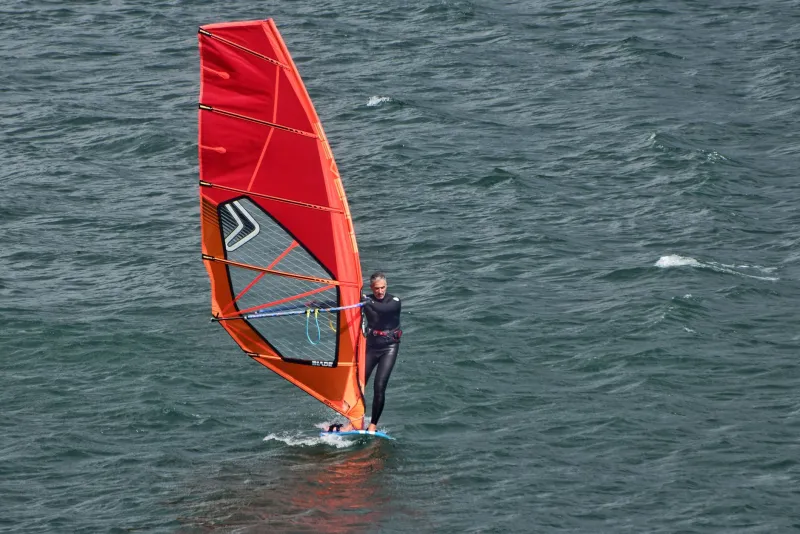
There's a moment, usually somewhere around sunrise, when Lake Kasumigaura does something that's hard to describe to someone who hasn't seen it. The surface goes almost completely still. The light comes in low and gold across the water. And then — if you're lucky enough to be out there with a board or a sail — you realize you're training on one of the most naturally gifted bodies of water in East Asia, and almost nobody back home has heard of it.
That's the thing about Tsuchiura's water sports scene. It doesn't announce itself. It doesn't have the Instagram presence of, say, Okinawa's beaches or the tourist infrastructure of coastal Kanagawa. What it has is something more useful for people who actually want to get better at what they do: consistent conditions, deeply experienced local coaches, and a community of athletes who show up every single weekend because this lake genuinely rewards the effort.
The Lake That Serious Athletes Have Been Sitting On
Lake Kasumigaura is the second-largest lake in Japan, covering roughly 220 square kilometers. That scale matters more than most visitors initially realize. You're not navigating a pond. You're working with a real body of open water that generates its own wind patterns, its own chop, its own training variables — all without the unpredictability of open ocean swells.
For windsurfers especially, that combination is rare. You get enough wind to make things interesting (the lake's positioning in Ibaraki Prefecture means it catches steady seasonal breezes, particularly in spring and fall), but the fetch — the distance wind travels across water — keeps conditions manageable in ways that coastal spots often can't guarantee. Beginners can actually learn here. Intermediate riders can push their technique. And advanced athletes can drill the kind of precise, repetitive work that racing and competition demand.
SUP (stand-up paddleboarding) athletes have been catching on too, particularly those focused on distance paddling and flatwater racing. The lake's calm morning windows are practically purpose-built for long-distance training runs, and the scenery — mountains in the distance, traditional fishing boats, the occasional egret — makes even a two-hour session feel like something more than a workout.
The Club Culture Nobody Told You About
Here's what surprises most American athletes who make it to Tsuchiura: the local club scene is genuinely welcoming, and it's been operating at a high level for a long time. This isn't a scene that sprang up to cater to tourists. These clubs have history, coaching lineages, and members who've been sailing and paddling this lake for twenty or thirty years.
Several clubs operate along the Tsuchiura waterfront and the broader lake perimeter, offering everything from beginner group lessons to serious competitive training programs. Gear rental is available for visitors who want to test the waters (literally) before committing to anything, and a number of clubs have staff or members who speak enough English to make first-time visits genuinely accessible.
What American athletes consistently mention when they talk about the coaching culture here is the emphasis on fundamentals and patience. There's no hustle to get you through a lesson and onto the next paying customer. Coaches take time. They watch. They correct. And they tend to have an almost encyclopedic knowledge of how conditions on this specific lake behave across different seasons and times of day — knowledge that's genuinely hard to find anywhere else.
Why Americans Are Choosing This Over the Coast
Japan has no shortage of water sports options. Okinawa, the Shonan coast near Tokyo, the Izu Peninsula — there are beautiful places to get on the water. So why are an increasing number of American athletes, expats, and sports-focused travelers landing in Tsuchiura?
A few reasons keep coming up in conversation.
First, cost. Coastal destinations in Japan, particularly those within easy reach of Tokyo, have priced themselves accordingly. Accommodation, gear rental, lesson fees — it adds up fast in places where tourism infrastructure has been built out to handle crowds. Tsuchiura operates on a different economic register. You get more for your money here, and that matters when you're trying to spend a week or two actually training rather than sightseeing.
Second, access. Tsuchiura is about 50 minutes from Tokyo by express train, which means you're not committing to a remote expedition. You can base yourself here and still connect to everything the capital offers. But when you're on the lake, you're genuinely away from the noise.
Third — and this is the one that's harder to quantify — the community. American expats who've made Tsuchiura their base consistently talk about being absorbed into local athletic circles in a way that feels natural rather than performative. You show up, you paddle, you get invited to grab food afterward. Over time, you become a regular. The lake has a way of doing that.
Seasons, Conditions, and When to Come
If you're planning a trip specifically around water sports, timing matters. Spring (April through June) and fall (September through November) are widely considered the sweet spots for windsurfing and sailing — wind is more consistent, temperatures are comfortable, and the lake looks genuinely spectacular.
Summer brings warmer water and longer days, which is great for SUP and kayaking, though humidity can be intense by August. Winter is quieter on the water, but dedicated athletes do train year-round, and there's something to be said for having the lake almost entirely to yourself on a cold January morning.
Whatever season you land in, check in with local clubs before you arrive. They'll give you a realistic read on current conditions and can often help connect you with the right program or coach for your skill level.
The Lifestyle That Comes With It
Water sports and Tsuchiura's broader lifestyle have a way of reinforcing each other. You wake up early for a training session on the lake. You come back hungry, and the city's food scene — ramen, fresh lake fish, solid coffee spots near the waterfront — is ready for you. You spend an afternoon recovering, maybe walking the quieter neighborhoods near the station or catching a local event along the lakeside promenade. Then you do it again the next day.
For athletes who've been grinding in cities where everything costs more and the pace never really drops, there's something almost therapeutic about that rhythm. Tsuchiura doesn't ask you to perform. It just gives you the water and lets you figure out what you need from it.
That might be the best thing about this scene. It's not trying to be the next big destination. It's just quietly excellent — and for the athletes who've found it, that's more than enough.