The Train Ride That Pays You Back: Rethinking the Tsuchiura-Tokyo Commute as Time Well Spent
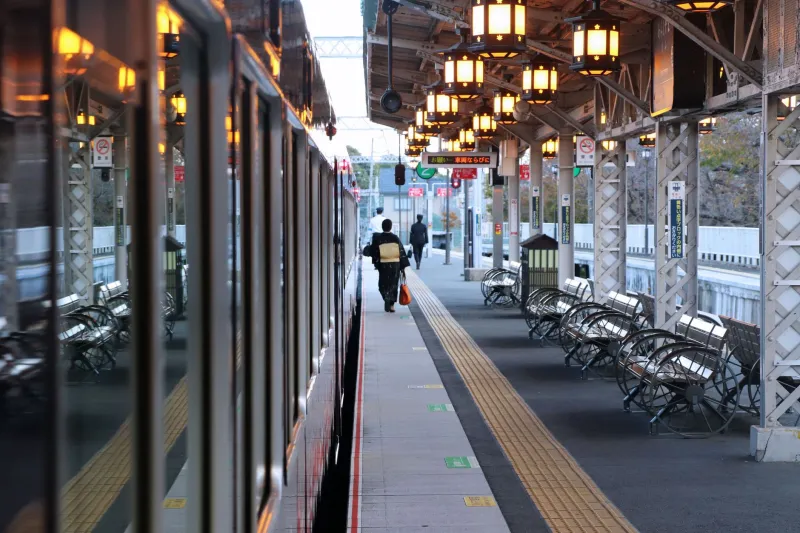
Most Americans have a complicated relationship with commuting. Years of bumper-to-bumper highways, packed subway cars, and the psychological toll of losing an hour each way to dead time have turned "the commute" into a four-letter word. So when people first move to Tsuchiura and realize they're still making regular trips into Tokyo, there's an instinct to brace for the worst.
Then the train pulls out of Tsuchiura Station, and something shifts.
"I kept waiting for it to feel like a chore," says Marcus, a UX designer from Portland who's been living in Tsuchiura for about eight months on a hybrid arrangement with his Tokyo-based employer. "But it never did. The train is quiet, it's on time, and I've started using that hour to do the kind of thinking I can never do at a desk."
This is the commute that doesn't drain you. And once you understand how to work with it instead of against it, it starts to feel less like lost time and more like a secret weapon.
What the Numbers Actually Look Like
Let's get the logistics out of the way, because they matter. Tsuchiura sits on the JR Joban Line, which connects directly to Ueno Station in central Tokyo. The express takes roughly 55 to 65 minutes depending on the service. That's faster than a lot of people's commutes within Tokyo itself, and it costs a fraction of what you'd spend living anywhere near the city center.
Trains run frequently throughout the day, with rush hour service ramping up in the early morning and again in the early evening. Here's the tip locals will tell you for free: if you can shift your Tokyo trips to start after 9:30 AM and wrap up before 4:30 PM, you'll board a train with actual empty seats. For hybrid workers with flexible schedules, this is a genuine game-changer. You're not fighting anyone for space. You're not standing pressed against a stranger for an hour. You sit down, you pull out your notebook or your phone, and you decompress before you even need to.
The Bike Path Factor
Here's where Tsuchiura's commute story gets interesting in a way Tokyo simply can't replicate. Before you ever board the train, there's the ride to the station — and in Tsuchiura, that ride is genuinely pleasant.
The city has invested in cycling infrastructure in a way that makes everyday bike use feel natural rather than brave. Dedicated lanes along the waterfront and through residential neighborhoods mean you're not sharing lanes with trucks or dodging delivery scooters. On a clear morning, riding along the edge of Lake Kasumigaura toward the station with the water flat and the light still low is the kind of thing people back home won't believe when you describe it.
Jessica, a content strategist originally from Austin who relocated to Tsuchiura last spring, has turned the bike-to-train sequence into a deliberate ritual. "I give myself an extra 20 minutes in the morning to take the longer route along the lake. By the time I get on the train, I've already had what feels like a full morning. I'm not rushing. I'm not stressed. I'm actually ready to work."
That's not a coincidence — it's physiology. Light movement before mentally demanding work has a well-documented effect on focus and mood. Tsuchiura's layout makes it easy to build that in without trying.
Using the Ride as a Productivity Layer
The Joban Line express isn't the chaos of the Yamanote or the Chuo. It's a longer-haul commuter service, which means the car culture is quieter. People read, sleep, or stare out the window. Nobody's shouting into a phone. There's a collective understanding that this is transition time.
For remote workers, this creates an unusual opportunity. The train ride into Tokyo becomes a natural container for tasks that don't require a full desk setup — reviewing documents, clearing email backlogs, sketching out meeting agendas, or simply thinking through a problem without interruption. The ride home becomes a decompression buffer, a hard boundary between work mode and life in Tsuchiura.
"I stopped trying to be 'off' the moment I left the office," says Daniel, a project manager from Chicago who's been doing the Tsuchiura-Tokyo split for nearly a year. "Now I use the train home to actually close out the day mentally. I write a quick note about what I finished, what's waiting for tomorrow, and then I put the phone away. By the time I'm back on my bike from the station, I'm done. It's like the commute does the mental filing for me."
This isn't a hack that requires any special app or system. It's just using the structure of the commute intentionally — something the train's predictability and calm make surprisingly easy.
Timing It Right: A Practical Cheat Sheet
If you're working out your own Tsuchiura-Tokyo rhythm, here's what experienced commuters in the area have figured out:
Avoid the 7:00–9:00 AM outbound window. Trains fill up and the energy shifts. If your Tokyo schedule allows it, leave Tsuchiura at 9:30 or later.
The 10:00 AM train is almost always comfortable. You'll have a seat, the car will be quiet, and you'll arrive in Ueno before most lunch crowds hit.
Return windows matter too. Heading back to Tsuchiura between 3:00 and 4:30 PM puts you ahead of the evening rush. After 7:00 PM, it calms down again significantly.
Keep a commuter IC card loaded. The Suica or Pasmo tap-in system means you're not fussing with tickets. Small thing, but it removes friction from the whole experience.
Build in bike time on both ends. Even a 10-minute ride from your apartment to the station in Tsuchiura changes the quality of your day. Don't shortcut it.
The Bigger Picture
There's something worth naming here that goes beyond logistics. Americans who've relocated to Tsuchiura and maintained Tokyo connections often describe a shift in how they think about productivity itself. The commute used to feel like time stolen from their real life. In Tsuchiura, it's started to feel like part of it.
The lake is there in the morning. The train is quiet. The city on the other end is big and busy and full of opportunity. And at the end of the day, you ride your bike home along the water and none of it feels like a grind.
That's not nothing. In fact, for a lot of people, it turns out to be everything.