More Than a Tune-Up: Inside the Bike Shops Where Tsuchiura's Cycling Culture Actually Lives
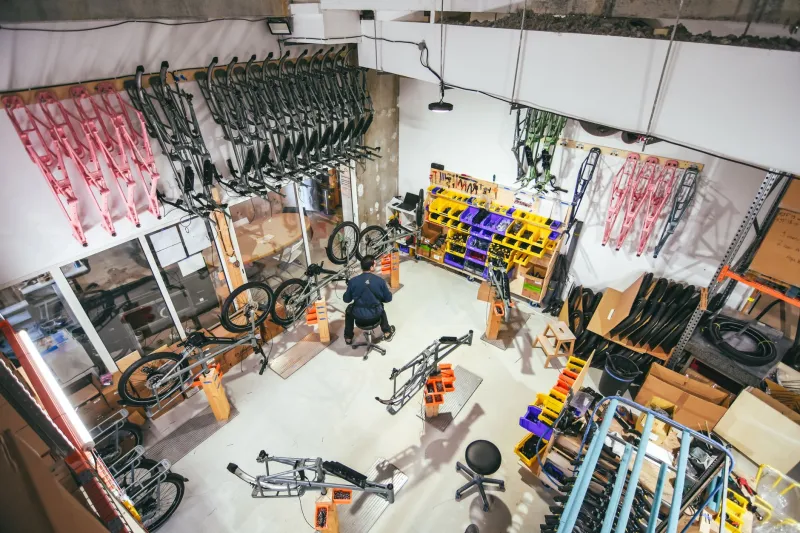
Most people walk into a bike shop because something's broken, a tire's gone soft, a chain keeps slipping, or they need a new set of gloves before a long ride. But in Tsuchiura, walking into one of the city's independent cycling shops can turn into something else entirely: a two-hour conversation about the best route around Lake Kasumigaura, an impromptu introduction to a group of weekend riders, and maybe a cup of canned coffee someone pulled out of a mini-fridge in the back.
This city has a serious cycling culture. The flat terrain, the massive lake, the well-maintained lakeside paths — it all adds up to a place where bikes aren't just transportation, they're a lifestyle. And the shops that support that lifestyle? They've quietly become some of the most interesting social spaces in town.
The Shop as a Third Place
If you've ever lived in a city where the local coffee shop doubles as a neighborhood living room, you already understand the concept. In Tsuchiura, certain bike shops fill that same role — especially for the early-morning crowd that rolls in after a sunrise loop around the lake.
Shop owners here tend to be riders themselves, which changes the whole dynamic. You're not dealing with a salesperson running through a product pitch. You're talking to someone who rode the same stretch of path you're planning to tackle, probably last weekend, and has opinions about where the pavement gets rough near the eastern shore and which convenience store has the best mid-ride snacks. That kind of insider knowledge is genuinely hard to find, and it flows freely in these spaces.
Regulars drift in throughout the day — not always because they need something fixed, but because it's a comfortable place to land. Mechanics work in open areas where conversations happen naturally. Someone's always leaning against the counter talking about a new ride they're planning, a local race coming up, or a piece of gear they've been testing out. For a solo traveler from the US, walking into one of these shops can be one of the most unexpectedly social moments of a trip.
What the Mechanics Know That Nobody's Written Down
Here's the thing about bike mechanics in a city like Tsuchiura: they accumulate knowledge that doesn't exist anywhere online. They know which rental bikes on the lakeside path run a little rough and how to compensate. They know the elevation changes that catch first-timers off guard. They know which local trails are actually rideable after heavy rain and which ones turn into mud pits that'll wreck your drivetrain.
If you're visiting and planning to spend serious time on two wheels, stopping into a local shop before you head out is genuinely worth your time — even if nothing's wrong with your bike. Ask what they'd recommend for your skill level. Ask if there are any group rides you could tag along on. The answer, more often than not, is an enthusiastic yes followed by a hand-drawn map or a phone number scribbled on a receipt.
Language can be a barrier, no question. But cycling has its own shorthand — hand gestures, pointing at maps, shared enthusiasm for a good route — and most shop staff have dealt with enough foreign visitors that they've gotten pretty good at bridging the gap. Don't let the language thing stop you from walking in.
Gear Talk, Done Right
Tsuchiura's shops tend to stock a range that reflects the local riding scene: practical commuter gear, solid mid-range road bikes, and a solid selection of accessories built for long lakeside rides. You're not going to find the same overwhelming wall-to-wall inventory as a big-box sporting goods store, and honestly, that's a feature, not a bug.
When a shop owner recommends something here, it's usually because they've used it themselves or seen it hold up over time in local conditions. The humidity around the lake is real. The wind off the water on certain stretches can be brutal. These are things that matter when someone's telling you which jacket or which tire to go with, and local shops factor in that context in a way that a generic online review just can't.
For US visitors who are serious cyclists, it's also worth noting that some shops can do quick custom fits or adjustments if you're renting a bike and something feels off. It's not always advertised, but if you ask, you might be surprised what they can sort out in twenty minutes.
The Rides That Start Here
A lot of Tsuchiura's group rides — the informal, show-up-and-roll kind — have their origin stories in these shops. Someone mentioned a route, someone else said they'd been meaning to try it, a date got picked, and suddenly there's a standing Saturday morning meetup that's been going for three years.
If you're in town for more than a couple of days and you want to ride with people rather than solo, asking at a local shop about upcoming group rides is your best move. Some shops have bulletin boards or group chats where rides get organized. Others just know who to call. Either way, the shop is the connective tissue.
For visitors, joining one of these rides — even just a portion of it — is one of those travel experiences that doesn't show up on any itinerary but ends up being the thing you talk about when you get home. Riding alongside locals who know every bend in the lakeside path, stopping where they stop, eating what they eat — it's a completely different Tsuchiura than the one you'd see from a tour bus.
How to Make the Most of It
A few practical notes if you're planning to lean into Tsuchiura's cycling scene during your visit:
- Go in the morning. That's when the shop regulars are around, when mechanics are most available for quick questions, and when the energy is highest.
- Bring your curiosity, not just your bike problems. These shops respond well to genuine interest. Ask about the local scene, not just what you need fixed.
- Don't rush the conversation. The best intel comes out sideways — someone mentions a route while they're replacing your brake cable, and suddenly you have the best tip of your whole trip.
- Check for posted flyers or boards. Events, group rides, and local races are often advertised the old-fashioned way — a piece of paper on a wall.
Tsuchiura's cycling culture is one of those things that rewards a little digging. The lake is obvious. The paths are obvious. But the community that actually lives and breathes cycling here? That's what you find when you push open the door of a shop that looks like it might be closed and discover three people deep in conversation about whether a certain stretch of the eastern shore is worth the detour.
It usually is. And so is stopping in.