The City Before It Wakes: What Tsuchiura Looks Like at 6 AM
Here's the thing nobody tells you before you visit Tsuchiura: the version of this city that most tourists experience is actually the second shift. The real show — the one that feels lived-in and genuine and a little bit like you accidentally stumbled into someone's home — starts well before your hotel breakfast buffet opens.
Set your alarm for 5:45 AM. Just once. What you find might reframe the entire trip.
Out on the Water Before the Light Hits
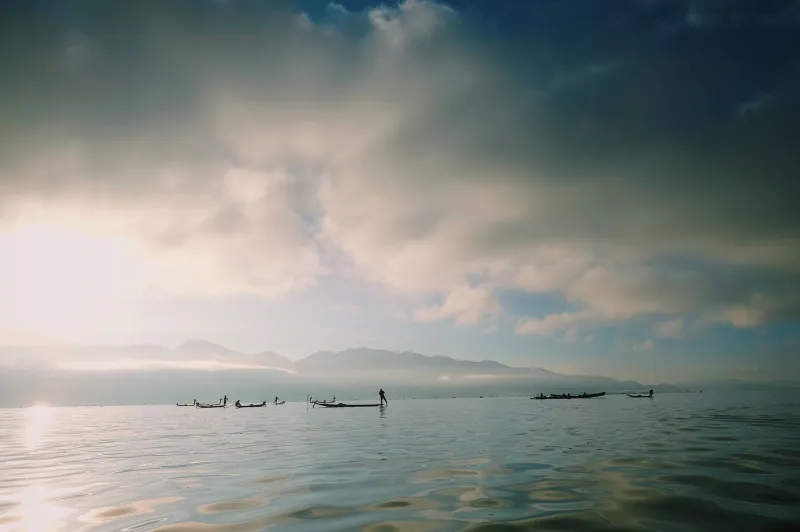
Lake Kasumigaura doesn't belong to sightseers in the early morning. It belongs to the fishermen. By the time the sky shifts from black to that particular shade of bruised purple, small wooden boats are already pushing off from the shore, their pilots moving with the calm efficiency of people who've done this ten thousand times before.
Watching them from the waterfront path is oddly grounding. There's no performance here. No one is posing. The fishermen are checking lines, adjusting gear, talking in low voices to each other across the water. The lake is flat and almost impossibly still. If you've spent time in major Japanese cities — or in any city, really — the silence feels like a physical thing you can lean into.
This is also, genuinely, some of the most beautiful light you'll see anywhere in Ibaraki Prefecture. But here's the difference from chasing a scheduled sunrise at some famous viewpoint: you're not standing in a crowd of people with tripods. You're just there, maybe with a canned coffee from a nearby vending machine, watching something real unfold.
The Neighborhood Bathhouse Crowd
Tsuchiura still has functioning sento — traditional public bathhouses — tucked into its older residential neighborhoods. And if you happen to walk past one before 7:30 AM, you'll notice something: they're already busy.
For a lot of older residents, the morning sento visit isn't a luxury or a wellness ritual. It's just part of the day, the same way brushing your teeth is part of the day. Regulars shuffle in with their small plastic baskets of toiletries, exchange nods with the person at the front desk, and settle into a routine that probably hasn't changed much since the 1980s.
You don't need to go inside to feel the warmth of it. Just walking through these neighborhoods in the early morning — past the steam drifting from the bathhouse vents, past the older man doing slow stretches outside his front door, past the cat that has clearly claimed the top of a parked bicycle as its permanent residence — gives you a sense of how the city actually functions for the people who live here year-round.
This is the Tsuchiura that doesn't show up in travel guides. It's not a destination. It's just life.
Coffee Shops That Open at Dawn (And the People Who Fill Them)
Japanese kissaten — old-school coffee shops, the kind with dark wood paneling and hand-painted menus and coffee that's been made the same way for forty years — are a whole category of experience that Americans tend to underestimate until they're actually sitting in one.
Tsuchiura has a few of these, and the early morning regulars are something to behold. By 7 AM, certain seats are already occupied by the same people who've been occupying them for decades. A retired schoolteacher reading the newspaper. A couple of older gentlemen playing shogi in companionable silence. The owner moving between tables with a coffee pot, occasionally stopping to exchange a few words in the unhurried way of people who have nowhere to be.
As an American visitor, you might feel like you're intruding at first. You're not. Pull up a seat, point to whatever the person next to you is having, and just be there. The morning set — usually coffee, toast, and a small side — is often absurdly affordable and deeply satisfying. Nobody's going to rush you out. That's kind of the whole point.
Morning Markets and the Vendors Who Run Them
Tsuchiura's local produce markets don't cater to tourists, which is exactly what makes them worth visiting. The vendors arrive early, set up their displays with a practiced speed that's almost choreographic, and start selling to the same customers who've been coming to them for years.
What's on offer changes with the season — that's a big part of the appeal. In the warmer months, you'll see lotus root from the surrounding farmland, fresh fish pulled from Kasumigaura the same morning, vegetables that look nothing like the perfect, identical produce in American grocery stores. In winter, root vegetables and pickled things dominate.
You don't need to buy anything to appreciate the atmosphere. But if you do want to engage, a simple bow and a point goes a long way. Vendors here are generally patient with the whole language gap situation, and there's something genuinely fun about navigating a transaction through gesture, expression, and mutual goodwill.
Why Early Morning Is When Tsuchiura Makes the Most Sense
There's a concept in Japanese culture — ma — that roughly translates to a meaningful pause or interval, the value found in the space between things. Early morning Tsuchiura is basically a two-hour stretch of ma before the day fills up.
For American travelers especially, who often approach a trip with a packed itinerary and a mild anxiety about not seeing enough, this can feel almost confrontational. Nothing is happening. Everything is happening. The city is just being itself, and you're watching it.
That's not a small thing. Most of what we remember from travel isn't the famous landmarks — it's the moments that felt unplanned and unfiltered. The fisherman who nodded at you from his boat. The coffee shop owner who refilled your cup without being asked. The way the lake looked before anyone else was awake to see it.
Tsuchiura has those moments in abundance. You just have to show up early enough to catch them.
Before You Go: A Few Practical Notes
If you're planning to explore early, here's what's worth knowing:
- Dress in layers. Mornings near the lake can be significantly cooler than the afternoon, even in summer. Wind off the water is no joke.
- Bring cash. Old kissaten and market vendors are not always set up for card payments or international apps.
- Walk instead of biking. The early morning neighborhoods reward slow movement. You'll miss things at cycling speed.
- Don't worry about language. Early morning Tsuchiura operates on nods, gestures, and a general atmosphere of low-key mutual tolerance. You'll be fine.
- Give yourself at least two hours. 5:45 to 8 AM is the window. After that, the city shifts gears and starts to feel more like everywhere else.
The curated Tsuchiura — the festival grounds, the waterfront photo spots, the well-reviewed restaurants — is genuinely great. But the city that exists before all of that opens for business? That's the one worth waking up for.