Canvas and Community: How Tsuchiura's Homegrown Art Scene Is Writing Its Own Story
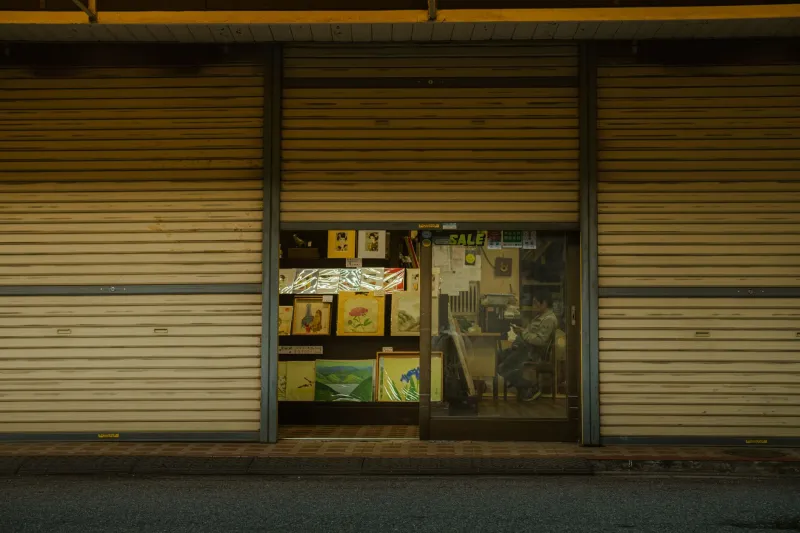
There's a version of Tsuchiura that shows up in travel photos: the fireworks over Lake Kasumigaura, the cherry tree-lined promenades, the calm early-morning water. Beautiful, no question. But there's another version of this city that most visitors never stumble into — one happening in converted storefronts, repurposed warehouses, and intimate gallery spaces where local artists are actively figuring out what it means to make work here, right now.
For US travelers who've already done the big Tokyo museums and the Kyoto temple circuit, Tsuchiura's contemporary art scene offers something genuinely different: small, accessible, and deeply connected to the place it comes from.
Why Tsuchiura, of All Places?
It's a fair question. Tsuchiura isn't usually mentioned in the same breath as Naoshima or Kanazawa when people talk about Japan's art destinations. But that's kind of the point. The absence of international hype means the creative energy here is driven by locals making work for themselves and their community — not performing for an art-world audience.
The city has a long history of craft and artisanal culture, and that foundation hasn't disappeared. What's changed is that a younger generation of artists and makers has started layering contemporary ideas on top of those roots. You get ceramicists referencing digital aesthetics, painters pulling from both traditional Japanese composition and street art, and photographers documenting the everyday textures of Ibaraki life in ways that feel genuinely fresh.
That mix — grounded in local identity but open to outside influence — is what makes the scene worth paying attention to.
The Galleries You Actually Want to Visit
Tsuchiura doesn't have a single marquee institution that anchors everything, and honestly that's fine. The scene is distributed and a little improvisational, which makes exploring it feel more like a discovery than a checklist.
Smaller independent galleries near the central shopping streets tend to rotate shows frequently, so what you find during a spring visit will look completely different from a fall trip. These aren't white-cube spaces with intimidating price tags — they're approachable rooms where you can actually talk to the person running the place, and often the artist themselves if you're lucky with timing.
Look for spaces that double as something else: a café that hangs rotating work from local painters, a bookshop with a back room dedicated to photography prints, a ceramics studio that opens its doors on weekends for browsing and buying. Tsuchiura has plenty of these hybrid spots, and they're often where the most interesting conversations happen.
Artist Studios and the People Behind the Work
If you want to go deeper, some local artists do open their studios to visitors — especially during regional open-studio events that happen a few times a year. These aren't formal gallery experiences. You're walking into someone's actual working space, which means you might see half-finished pieces, paint-stained floors, and a very direct conversation about what the artist is currently thinking about.
For American visitors used to the polished museum experience, this can feel surprisingly intimate. It's also a much more honest way to understand contemporary Japanese art than reading a wall placard ever will be. Artists here are grappling with real questions: how does a mid-sized city like Tsuchiura maintain its identity as the broader region modernizes? What does it mean to make work that's rooted in a place that most people just pass through?
Those questions produce genuinely compelling art, and meeting the people asking them makes the work land differently.
Pop-Ups, Events, and the Unpredictable Calendar
One thing you'll notice fast: Tsuchiura's art scene doesn't run on a fixed schedule that you can plan around months in advance. Pop-up exhibitions, collaborative shows, and community art events tend to materialize with relatively short notice, often promoted through local social media and neighborhood flyers rather than polished PR campaigns.
This is actually an advantage if you're the kind of traveler who likes to leave room for serendipity. Checking local community boards, asking at your accommodation, or just wandering the streets near the station on a weekend afternoon can lead you to something genuinely unexpected — a group show in a rented space, an outdoor installation near the waterfront, a printmaking workshop open to drop-ins.
The Tsuchiura art calendar also connects to the city's broader festival culture. During major community events, creative work often shows up in surprising places: street performances, collaborative murals, handmade market goods that blur the line between craft and fine art. If you're visiting during a festival period, keep your eyes open beyond the main attractions.
What to Buy (and What to Actually Bring Home)
One underrated aspect of engaging with a local art scene rather than a tourist-facing one: the work is actually priced for real people. Prints, ceramics, small paintings, and handmade objects from Tsuchiura artists are generally accessible in a way that comparable work in Tokyo galleries often isn't.
Buying something from a local artist is also just a better souvenir than anything you'll find in an airport gift shop. It's connected to a specific person, a specific place, and a specific moment in time. That ceramic bowl you picked up from a studio visit near Lake Kasumigaura will tell a better story at your dinner table back in the States than a mass-produced lacquerware set ever could.
If you're interested in shipping larger pieces home, most artists who sell work regularly will have some familiarity with international shipping logistics — though it's always worth confirming before you fall in love with something that won't fit in your carry-on.
How to Actually Find It
The honest truth is that Tsuchiura's art scene rewards curiosity more than advance planning. A few practical starting points:
- Walk the streets around the station and central shopping areas with your eyes up. Gallery signage is often modest, and some of the best spaces are easy to miss if you're looking at your phone.
- Ask locals. Hotel staff, café owners, and shopkeepers often know what's happening in the creative community even if they're not part of it directly.
- Check local social media and community event listings in the days before and during your visit. Instagram in particular tends to be where Tsuchiura artists announce openings and events.
- Visit on weekends, when studios and smaller galleries are more likely to be open and staffed.
Tsuchiura's art scene isn't going to hand you an easy itinerary. But that's also what makes it worth finding. In a country where tourism infrastructure is genuinely excellent — sometimes almost too smooth — encountering something that still requires a little effort to access feels like a real score.
And when you do find it, you'll be seeing a side of this city that most visitors completely miss. That's the kind of travel moment that actually sticks.