No Filter Needed: The Quiet Temples and Shrines of Tsuchiura That Actually Move You
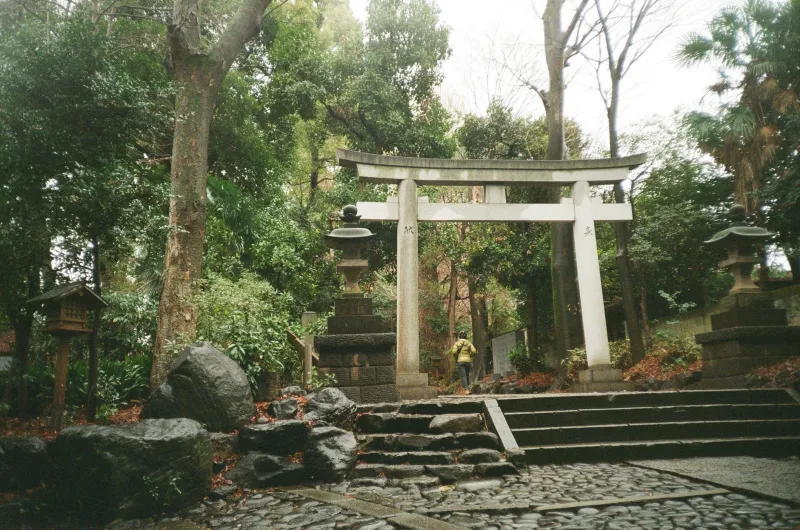
Here's something a lot of first-time visitors to Japan figure out too late: the most memorable spiritual experience of your trip probably isn't going to happen at a UNESCO World Heritage site with a thousand other people and a gift shop at the exit. It's going to happen somewhere smaller, quieter, and completely off your original itinerary.
Tsuchiura doesn't get mentioned in the same breath as Kyoto or Nara when people talk about Japan's religious heritage — and honestly, that's exactly why you should pay attention to it. The city and its surroundings are home to a handful of temples and shrines that have been holding space for local worshippers for generations, largely unbothered by tour buses and travel influencers. If you're the kind of traveler who wants to feel something real rather than just photograph something pretty, this is your guide.
Why Tsuchiura's Sacred Sites Hit Different
The big-name temples in Japan are extraordinary, no question. But there's a particular kind of atmosphere that only exists in places where regular people still show up on a Tuesday morning to pray, leave an offering, or just sit quietly for a few minutes before work. That's what you find in Tsuchiura.
These aren't museum pieces. They're living sites — worn wooden beams, incense smoke that clings to your jacket, hand-tied ema (wooden wishing plaques) packed so tightly onto the racks that some have started to weather and fade. The imperfection is part of the point. It tells you that this place matters to the people who live here, not just the people passing through.
Tsukuba Shrine's Quieter Neighbor: The Smaller Sanctuaries Along the Old Roads
Most visitors who venture into Ibaraki Prefecture's spiritual landscape head straight for Tsukuba-san and the famous Tsukuba Shrine at its base. And sure, it's worth the trip. But the smaller shrines tucked along the old pilgrimage roads that once connected Tsuchiura's neighborhoods to that mountain — those are where things get interesting.
These wayside shrines, many of them dedicated to local kami (spirits or deities tied to the land, harvest, or water), often consist of little more than a stone torii gate, a small offering box, and a few carefully tended plants. No signage, no hours posted, no admission fee. Just a quiet agreement between a community and something it believes in. If you stumble onto one of these while cycling the backroads west of the city, resist the urge to rush past. Stop. Look at what people have left. Notice the fresh flowers or the recently swept stone path. Someone was just here.
Tsuchiura's Buddhist Temples: More Than Architecture
Several of Tsuchiura's Buddhist temples date back to the Edo period, and a few have roots even older than that. Unlike the grand temple complexes of Kyoto, these are neighborhood-scale institutions — the kind of place where the head priest might be out raking leaves when you arrive, and where a polite greeting in broken Japanese will get you a nod and maybe an unexpected guided look around.
The architectural style tends toward the understated: dark timber, curved tile roofs, modest garden spaces that reward slow attention. What these temples lack in grandeur they make up for in texture. Look for the small Jizo statues — the round-faced stone bodhisattvas associated with protection and compassion — often dressed in hand-knitted red bibs left by local families. It's a practice that's equal parts heartbreaking and beautiful once you understand what it represents.
If you visit during the early morning hours, you may catch the sound of sutras being chanted inside the main hall. You're not expected to participate, but you're also not unwelcome to sit quietly outside and listen. That sound, drifting out over a still garden in the early light, is the kind of thing that sticks with you long after you've forgotten what you had for dinner that night.
Visiting Etiquette: What You Actually Need to Know
You don't need to be Buddhist or Shinto to visit these places respectfully — you just need a little awareness. Here's the short version for US travelers who haven't spent much time around Japanese religious sites:
At shrines: Pass through the torii gate with a slight bow. At the temizuya (the stone basin near the entrance), rinse your hands before approaching the main hall — right hand first, then left. Toss a coin into the offering box (any denomination is fine), bow twice, clap twice, make your silent intention or wish, then bow once more. That's it. You've done the thing correctly.
At temples: The approach is a bit more subdued — no clapping. You may light incense at a large incense burner and waft the smoke toward yourself (it's considered purifying). Bow before the main altar. Photography is often fine in the grounds but not always inside the hall — when in doubt, look for signs or follow what locals are doing.
General rules: Keep your voice low. Don't step over or on threshold boards in doorways. If a ceremony or service is underway, observe from a respectful distance or come back later.
The Best Times to Visit
Early morning is almost always the right answer. The light is better, the air is cooler, and you're more likely to have the space to yourself or share it only with locals who are there for their own reasons. Weekday mornings between 7 and 9 a.m. are ideal.
That said, visiting during specific occasions can be just as rewarding — just in a different way. New Year's (Shogatsu) brings out enormous crowds for hatsumode, the first shrine visit of the year, which turns even small local shrines into lively community gathering points. Setsubun in early February, Obon in mid-August, and autumn equinox ceremonies all offer windows into how these traditions actually function in people's lives. You won't be invisible during these times, but you also won't feel out of place if you approach with genuine curiosity.
A Word on Going Slow
The temptation, especially if you've got a packed itinerary, is to treat a temple or shrine visit as a checkbox — get the photo, move on. But the places around Tsuchiura that are worth your time don't really give up their best qualities to people in a hurry. The ones that will stay with you are the ones where you sat down on a stone step for ten minutes and just let the place exist around you.
Tsuchiura isn't competing with Kyoto for your attention. It doesn't need to. What it offers is something different: access to a version of Japanese spiritual life that's still rooted in the everyday, still shaped by the people who actually live here. That's not something you can find with a filter. You just have to show up and be present for it.