Seven-Eleven at Midnight: Why Japan's Konbini Deserve a Spot on Your Tsuchiura Itinerary
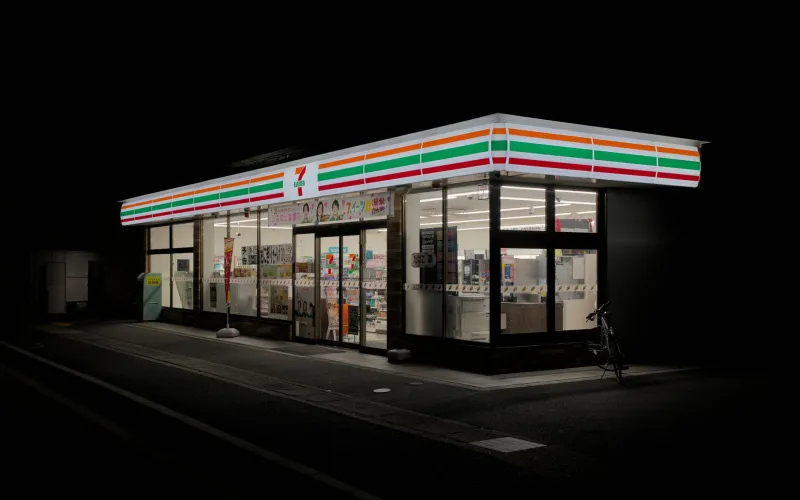
Let's be honest. Back home, a convenience store is where you stop when you've run out of options. Questionable hot dogs rotating under a heat lamp. Chips from a brand you've never heard of. Coffee that tastes like it was brewed during the Clinton administration.
Tsuchiura's konbini — the shorthand locals use for convenience stores like 7-Eleven, FamilyMart, and Lawson — are something else entirely. They're open around the clock, they're everywhere, and they might genuinely be one of the best places in the city to eat, stock up, and get a read on what everyday life here actually looks like.
If you've been walking past them to get to the "real" restaurants, you've been leaving a lot on the table. Literally.
What Even Is a Konbini?
On the surface, yes, it's a convenience store. But the Japanese version of that concept is operating on a completely different level than what most Americans are used to. Think of it less like a gas station mini-mart and more like a small, extremely well-organized neighborhood hub that happens to sell onigiri at 3 a.m.
You can pay your utility bills here. Print documents. Pick up concert tickets. Send packages. Buy a decent bottle of sake. Get a hot meal that was made fresh that morning. The convenience store in Japan isn't a last resort — it's infrastructure.
In Tsuchiura specifically, you'll find konbini scattered throughout the downtown area, along the waterfront, near the train station, and tucked into quieter residential streets. They're part of the rhythm of the city in a way that's genuinely worth paying attention to.
The Food Is Legitimately Good — No, Really
This is the part that surprises most first-time visitors from the States, and it's worth dwelling on. The food at a Japanese convenience store is not an afterthought.
The onigiri alone — those triangular rice balls wrapped in seaweed — come in a rotating cast of fillings that changes with the seasons. In autumn, you might find ones stuffed with salmon and mushroom. In summer, look for lighter options with pickled plum or tuna and mayo. The packaging is designed to keep the nori crisp until you open it, and there's a satisfying three-step unwrapping process that feels oddly ceremonial.
Beyond onigiri, the hot food section near the register is worth a serious look. Nikuman (steamed pork buns), karaage chicken, and corn dogs that are somehow better than the ones at the state fair are all in play. Grab a can of hot canned coffee from the machine near the door — yes, hot canned coffee is a thing, it's good, and it costs less than a dollar — and you've got a breakfast that beats a lot of actual breakfast spots.
For late-night eats after the izakaya closes or before an early ferry on the lake, the konbini is your most reliable friend.
Reading the Seasonal Rotation Like a Local
One thing that sets Japan's convenience stores apart is how seriously they take seasonal eating. The product lineup shifts throughout the year in ways that mirror what's happening at the market and in Japanese kitchens.
Spring brings sakura-flavored everything — lattes, mochi, chips, you name it. Summer means cold noodle salads, chilled barley tea, and an overwhelming variety of ice cream bars. Autumn is arguably the best season for konbini snacking, with sweet potato desserts, chestnut-flavored sweets, and warming soups appearing on the shelves. Winter brings oden — a slow-simmered hot pot dish served directly from a vat near the register, where you point at what you want and pay by the piece.
If you're visiting Tsuchiura and want a quick, edible snapshot of the current season, the konbini will give you that faster than almost anywhere else.
The Cultural Stuff Nobody Tells You
Beyond the food, spending a little time in a konbini is genuinely one of the better ways to observe the texture of daily life in a Japanese city. Watch the rhythm of it for a few minutes: the salary worker grabbing a bento on their lunch break, the high schooler carefully choosing a snack, the older man reading a magazine by the rack (yes, you can do that — nobody minds).
The etiquette is worth knowing. You don't need to greet staff with a big hello — a simple "sumimasen" (excuse me) if you need help is plenty. The staff will say "irasshaimase" when you walk in; a small nod is fine. At the register, your change and receipt are typically placed on a small tray rather than handed directly to you. Go with it.
Also: the plastic bag situation. Japan has been moving toward charging for bags, so it's polite — and increasingly standard — to bring a small tote or just carry your stuff. Most konbini have gotten very good at packing things into paper bags efficiently if you do need one.
Budget Travelers, Take Note
If you're watching your spending in Tsuchiura, the konbini is your best friend. A full, filling meal — rice ball, small salad, hot item from the register, drink — will run you somewhere between 400 and 800 yen, which at current exchange rates is roughly three to six dollars. That's a legitimate meal for the price of a vending machine snack back home.
For longer stays, keeping a few konbini staples in your accommodation saves money without sacrificing quality. Stock the mini-fridge with drinks, grab breakfast there before hitting the lake, and save the sit-down restaurant budget for dinner somewhere worth lingering.
One Last Thing
The next time you're walking Tsuchiura's waterfront at night and the glow of a FamilyMart sign catches your eye, don't just walk past. Step in. Grab something you can't identify. Read the packaging you can't understand. Get a hot can of something from the machine by the door.
The konbini isn't a backup plan. In Japan, it's part of the experience — and in Tsuchiura, it's one of the most honest windows into how people here actually live.