Clay, Thread, and Craft Beer: Meeting the Makers Quietly Reshaping Tsuchiura
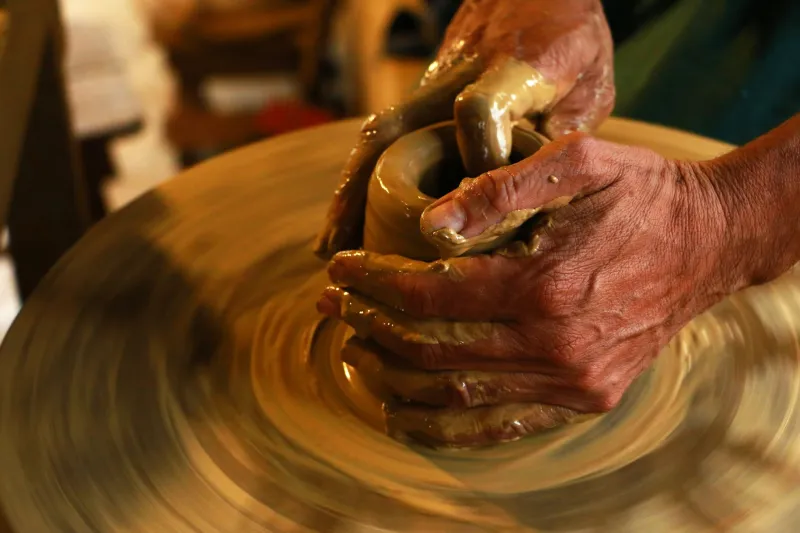
Tsuchiura has always had a reputation for its waterfront views and festival energy. But spend a little more time here—wander off the main drag, duck into a side street, follow a hand-painted sign—and you start noticing something else. Studios. Workshops. Storefronts that are half retail, half working space, with someone hunched over a wheel or a loom in the back.
The city's artisan scene isn't loud about itself. It doesn't need to be. Word is getting around anyway, and for US travelers who want more than a photo and a souvenir, these creative spaces are quickly becoming one of the most compelling reasons to visit.
Why Tsuchiura? Why Now?
It's not a total coincidence that this is happening here. Tsuchiura sits in Ibaraki Prefecture, a region with deep roots in traditional crafts—particularly pottery, thanks to the influence of nearby kiln towns and centuries of local ceramic tradition. What's changed recently is the energy. Younger makers, some trained abroad, some who returned after time in Tokyo, have been quietly setting up shop. They're bringing fresh aesthetics to old techniques, and a lot of them are genuinely open to visitors.
There's also a practical element: rents in Tsuchiura are far more forgiving than in the capital, which means artists can actually afford dedicated studio space. That's a big deal. In Tokyo, many makers are crammed into apartments or renting time in shared facilities. Here, they have room to breathe—and room to invite people in.
Getting Your Hands Dirty: Pottery Studios Worth Visiting
Ceramic work is probably the most accessible entry point for first-timers. Several studios in and around Tsuchiura offer drop-in or reservation-based classes, and you don't need any experience whatsoever. Most sessions run two to three hours and include wheel-throwing or hand-building, basic glazing, and a lesson in the firing process.
What makes these experiences different from, say, a tourist pottery class in Kyoto? Scale and intimacy, mostly. You're often working directly with the studio owner—the actual artist—not a hired instructor running a group of twenty people through a script. That changes the whole dynamic. Questions get real answers. Conversations go sideways into technique, philosophy, local history. You leave knowing something, not just holding something.
A few studios also offer the option to ship finished pieces back to the US once they've been fired and glazed, which takes the logistical headache out of traveling with fragile ceramics. Ask about this when you book—not every studio offers it, but more are adding it as international visitors show up more regularly.
Textile Workshops: Slower, More Meditative, Equally Addictive
If pottery sounds too messy or physically demanding, textile work might be your speed. Tsuchiura has a handful of makers working in natural dyeing, weaving, and traditional Japanese fabric techniques like shibori—a resist-dyeing method that produces those gorgeous, one-of-a-kind patterns you've probably seen on Instagram without knowing what they were called.
Shibori workshops in particular tend to draw visitors in deep. The process is methodical—folding, binding, clamping fabric before it goes into a dye bath—and the results are genuinely unpredictable in the best way. No two pieces come out the same. Instructors here are used to working with total beginners, and the language barrier is usually manageable; the techniques are visual enough that a lot gets communicated without words.
Natural dye workshops often use plants sourced locally—indigo, persimmon, even rice husks—which ties the craft directly to the regional landscape in a way that feels meaningful rather than gimmicky. If you're into sustainability or slow fashion, this stuff will hit differently.
The Studio Visit: A Different Kind of Experience
Not everyone wants to make something. Some people just want to watch, talk, and understand. And that's valid too.
Several makers in Tsuchiura are open to informal studio visits—not formal tours, just a chance to see the space, ask questions, and maybe pick up a piece directly from the person who made it. This is the kind of thing that's hard to replicate at a craft market or a gallery. You're standing in the actual place where the work happened. The tools are right there. The smell of clay or dye is in the air.
The best way to arrange this is through local accommodation—guesthouses and smaller boutique hotels often have connections to the maker community and can make introductions. Alternatively, the Tsuchiura tourism office has been increasingly supportive of craft-focused itineraries and can point you toward studios that welcome visitors.
Practical Notes for US Travelers
A few things worth knowing before you go:
Book ahead. These aren't big operations. Most studios have limited spots per session, and popular workshops—especially shibori dyeing—can fill up days or even weeks in advance during peak travel seasons. Email or use the booking form on their websites; most makers either have English-language contact options or can manage basic communication via translation apps.
Dress for it. Pottery gets messy. Dye gets everywhere. Wear clothes you don't mind ruining, or ask if the studio provides aprons (many do, but not all).
Bring cash. Some studios, especially smaller one-person operations, don't take cards. There are convenience stores and ATMs nearby in central Tsuchiura if you need to sort this out before heading to a studio.
Give yourself time. A two-hour class sounds short, but between travel, setup, the actual work, and the conversation that inevitably happens after, you're probably looking at half a day. Don't stack this on top of three other things. Let it breathe.
More Than a Souvenir
Here's the thing about making something with your own hands in a place you're visiting: it changes what you take home. Not just the object—though yes, that too—but the memory of how it felt, who taught you, what the studio looked like in the afternoon light. That's a different category of travel experience entirely.
Tsuchiura's makers aren't trying to become a tourist attraction. They're just doing their work, and they happen to be generous enough to let people in. That combination—genuine craft, genuine welcome—is rarer than it should be. Take advantage of it while the scene is still small enough to feel personal.
The waterfront will still be there when you're done with your pottery class. The lake isn't going anywhere. But a morning covered in clay, learning something real from someone who's spent years figuring it out? That's the kind of thing you'll actually talk about when you get home.