Staying Put on Purpose: The Young Tsuchiura Locals Who Chose the Lake Over Tokyo
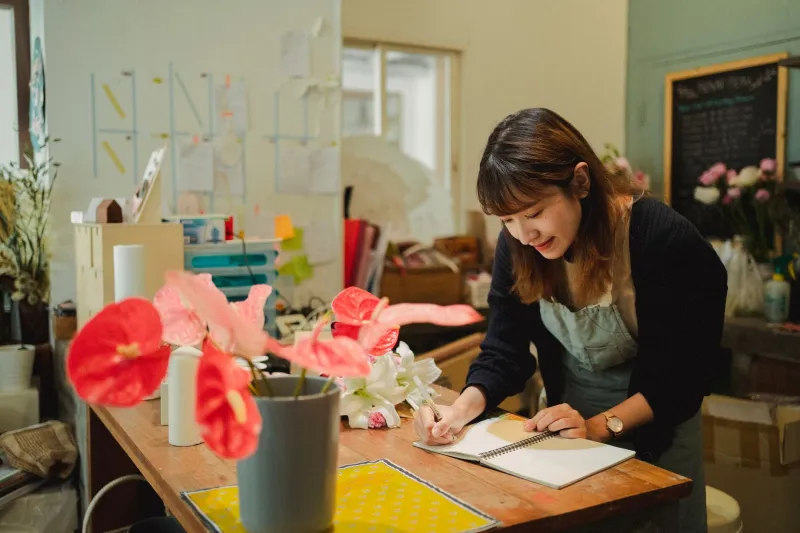
The story Japan has told about itself for decades goes something like this: you grow up somewhere small, you move to Tokyo, you build a life inside the machine. The capital pulls people in like gravity. It has the jobs, the culture, the energy. Everyone who matters eventually ends up there.
Tsuchiura didn't get that memo.
In recent years, something has been shifting quietly in this lake city about an hour north of Tokyo by train. A small but growing number of young Japanese — entrepreneurs, artists, chefs, designers, farmers — have been making a deliberate choice to build their lives here rather than in the capital. Some came back after years in Tokyo. Others arrived from elsewhere entirely. A few never left, and they're glad they didn't.
What they're creating in Tsuchiura isn't a scene exactly — it's more organic than that. But spend a few days talking to the people behind the city's newer cafes, studios, and small businesses, and you start to feel the outline of something real taking shape.
The Pull of Smaller-City Living
Ask anyone in Tsuchiura's younger creative community why they're here instead of Tokyo, and the answers share a common thread: they got tired of trading their life for their rent.
In Tokyo, a modest apartment in a decent neighborhood can easily run 100,000 yen a month or more for a space the size of a generous closet. In Tsuchiura, that same money gets you room to breathe — sometimes literally. Studio space, workshop space, a kitchen big enough to actually cook in. For people who make things or grow things or build things, that difference is enormous.
But it's not just economics. There's a quality-of-life argument that comes up again and again. Lake Kasumigaura is right there. The cycling is excellent. The food culture is rooted in real, local ingredients. The pace of interaction with neighbors and customers is different — slower, more human.
"In Tokyo I was performing busyness," one young ceramicist who moved to Tsuchiura from Shibuya told us. "Here I'm actually working."
The Businesses Taking Shape
Walk around Tsuchiura's downtown and the signs of this shift are visible if you know what you're looking for. A small natural wine bar that sources from regional producers. A design studio operating out of a renovated machiya townhouse. A bakery using locally milled wheat. A photography collective with a gallery space that doubles as a community meeting room.
None of these are loud about what they're doing. There's no branding that screams "we are the future of rural Japan." The aesthetic tends toward the understated: handwritten menus, rough plaster walls, shelves of objects that suggest a considered life. The businesses feel personal because they are — most are run by one or two people who are deeply invested in every detail.
What's notable is how interconnected these ventures are. The baker sources eggs from the urban farmer. The ceramicist's work ends up on the tables at the natural wine bar. The design studio has done branding for half a dozen of the newer local businesses. It's a small ecosystem, and it's getting denser.
What's Drawing People From Outside
Tsuchiura has some structural advantages that don't get talked about enough. The Joban Line makes Tokyo genuinely accessible — not as a daily commute necessarily, but as an option. For remote workers or people who need to get to the capital occasionally, being an hour away by train is very different from being three hours away.
The city has also been quietly investing in the kind of infrastructure that matters to younger residents: community spaces, cycling paths, waterfront access, a market culture that supports local producers. It's not flashy, but it adds up.
There's also something less tangible at play. Japan's major cities can feel, to a certain kind of person, like they've already been fully written. Every neighborhood has its character, its established culture, its hierarchy. Tsuchiura still has space to be shaped. For people who want to actually leave a mark on a place, that matters.
The Challenges Are Real
None of this is frictionless. Japan's rural and semi-rural areas carry structural challenges that no amount of creative energy fully resolves. Aging populations mean fewer young customers locally. Some traditional business owners are skeptical of newcomers, particularly those who arrive from outside Ibaraki. Access to capital for small businesses is a persistent issue.
And for people who moved from Tokyo, there's an adjustment that's harder to articulate. The social rhythms are different. Building community takes longer. The anonymity that big cities provide — the freedom to be whoever you are without much scrutiny — doesn't exist in the same way in a smaller place.
"You have to actually show up," one cafe owner explained. "Not just open your doors and wait. You have to be part of the neighborhood in a real way. That's harder for some people than they expect."
What It Means for Visitors
For travelers coming to Tsuchiura from the States, this creative undercurrent is worth seeking out. The businesses built by this younger generation tend to be exactly the kind of places that make a trip memorable: small, specific, run by people who are genuinely excited to talk about what they're doing.
Ask where the coffee comes from. Ask about the ceramics on the shelf. Ask the person behind the counter what brought them to Tsuchiura. More often than not, you'll get a real answer — and probably a recommendation for somewhere else worth visiting that you wouldn't have found any other way.
Tsuchiura isn't trying to be the next big thing in Japanese travel. But the people quietly building lives here are doing something that feels increasingly rare: choosing depth over scale, and making it work.