Lake Town Rising: Why Tsuchiura Is Quietly Becoming Japan's Go-To Outdoor Escape
There's a moment that happens to a lot of first-time visitors to Tsuchiura. You step off the train, look around at the wide streets and glittering water in the distance, and think — wait, why haven't I heard about this place before? That question is getting asked more and more often, and the answer is kind of the whole point.
Tsuchiura isn't loud about what it offers. It doesn't have a viral reel strategy or a celebrity chef putting it on the map. What it has is Lake Kasumigaura — Japan's second-largest lake — a waterfront that's been quietly upgraded over the past several years, and a community of outdoor enthusiasts, local business owners, and creative transplants who chose this place deliberately. That deliberateness is infectious.
The Backdrop That Makes It All Work
Lake Kasumigaura is genuinely massive. At roughly 167 square kilometers, it has the kind of scale that changes how you feel standing at its edge. The horizon stretches out in a way that's almost disorienting if you've spent the last few days navigating Tokyo's vertical geography. That psychological reset — the sudden openness — is something locals talk about like it's a feature, not a side effect.
The lake and its surrounding wetlands also create a microclimate of activities that shift with the seasons. Spring brings calm paddling conditions and blooming shorelines. Summer opens up windsurfing and open-water swimming spots that most tourists have never heard of. Fall turns the cycling routes along the water into something that looks like a screensaver. Winter is quieter, but the birdwatching alone draws a dedicated crowd.
For American travelers used to planning outdoor weekends around national parks or coastal road trips, Tsuchiura scratches a similar itch — just with better ramen at the end of the day.
The People Building It From the Ground Up
The transformation happening here isn't coming from a government tourism campaign (though those exist). It's coming from people.
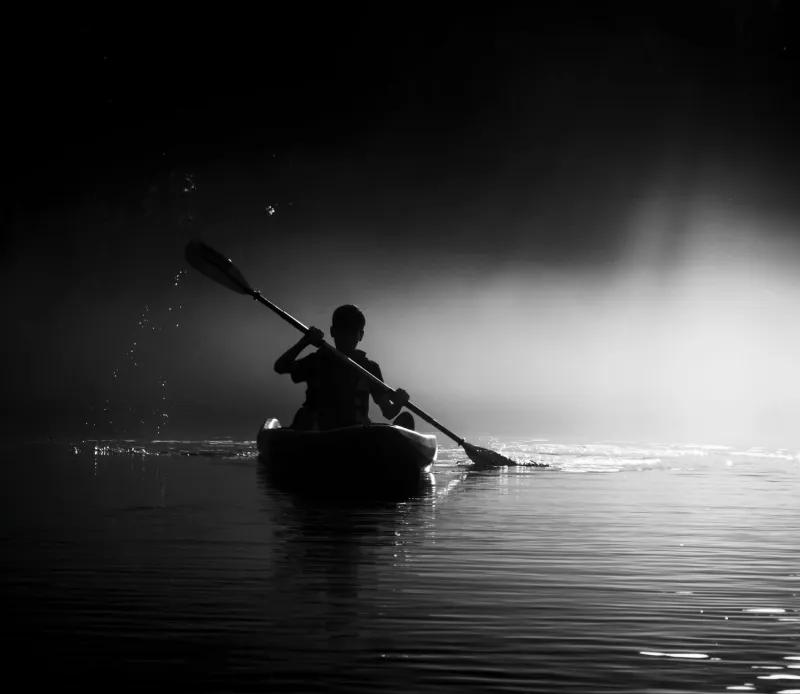
Take the small cluster of kayak and paddleboard operators who've set up along the waterfront over the last few years. These aren't corporate outfitters with slick branding — they're often owner-operated, with guides who grew up on the lake and genuinely want to share it. Half-day tours that combine paddling with birdwatching stops or visits to small lakeside shrines have become especially popular with international visitors who want something more textured than a simple rental.
Outdoor gear shops have followed. A handful of locally-owned shops now stock gear that caters specifically to lake and trail activities in the region — not just generic sporting goods. Some double as informal community hubs, pinning local trail maps on the wall and keeping a list of upcoming group rides and paddles behind the counter. If you walk in as a stranger and walk out with a route recommendation and someone's phone number to text if you get lost, that's a Tuesday.
Then there are the transplants. A growing number of people — some Japanese, some foreign — have made the move from Tokyo to Tsuchiura specifically because of the lifestyle trade-off. Shorter commute if they need it, dramatically lower cost of living, and the ability to be on the water before 8 a.m. Several of them have started small businesses that feed directly into the outdoor tourism scene: guided cycling tours, nature photography workshops, and small-batch outdoor gear makers who sell at local markets.
What the Overtourism Conversation Has to Do With It
Here's the thing about Japan right now: it's dealing with a genuine overtourism problem in its headline destinations. Kyoto has implemented crowd-control measures around famous temples. Fuji has barriers blocking iconic views. Tokyo's most Instagrammed spots often involve standing in line.
Tsuchiura exists almost entirely outside that conversation, and that's not an accident. The city has the infrastructure to handle visitors — good train connections, solid accommodation options, real restaurants — without the pressure-cooker atmosphere that comes with being on every travel influencer's must-do list.
For Americans who want to experience authentic, everyday Japan without feeling like they're touring a theme park version of it, that matters a lot. You can walk into a waterfront izakaya and be the only non-Japanese person there. You can rent a bike and ride for an hour without passing another tourist. You can ask a local for a restaurant recommendation and get one that isn't already on TripAdvisor.
How to Actually Do a Weekend Here
If you're coming from Tokyo, the logistics are almost embarrassingly easy. Tsuchiura is about an hour from Ueno Station on the Joban Line — that's a shorter trip than some people's daily commutes in the US. You don't need to rent a car, though having one opens up the wider lake circuit.
A solid two-day framework: arrive Friday evening, grab dinner somewhere along the waterfront, and wake up Saturday with enough time for a morning paddle or an early bike ride before the day heats up. Afternoons work well for exploring the city's older neighborhoods, poking around local shops, or just sitting at the water's edge with something cold. Sunday is ideal for a longer excursion — either deeper into the lake circuit or up toward some of the quieter shrine areas north of the city.
You won't run out of things to do. But you also won't feel like you're racing a checklist, which — if you've done Tokyo — might be exactly what you need.
The Vibe Is the Point
What makes Tsuchiura interesting isn't any single attraction. It's the accumulation of small, genuine things: the kayak guide who knows where the herons nest, the gear shop owner who draws you a hand-sketched map, the fact that you can eat breakfast watching the sun come up over the lake without another tourist in sight.
Japan has plenty of destinations that will give you a spectacular photo. Tsuchiura gives you something harder to capture — the feeling of having actually been somewhere, not just passed through it. For a certain kind of American traveler, that's worth a lot more than a stamp in the guidebook.
The splash is quiet here. But it's spreading.