Make a Mess, Learn Something Real: Tsuchiura's Craft Workshops Are Refreshingly Judgment-Free
Let's be honest about something. Most of us have talked ourselves out of trying a new creative skill because we were afraid of being bad at it in public. The pottery wheel looks intimidating. Textile dyeing sounds like it requires some kind of art school background. And the last thing anyone wants is to spend money on a workshop only to produce something that looks like it was made by a distracted third-grader.
Tsuchiura has a quiet answer to all of that: come anyway.
Over the past few years, a genuine community of makers has taken root in this lakeside city, and the philosophy running through most of it is the same — the mess is the point, the learning is the product, and nobody here is grading you.
Why Tsuchiura, Specifically?
It's a fair question. Japan has craft culture woven into its DNA — ceramics, weaving, lacquerwork, paper-making. But the traditional version of those crafts can feel intimidating to outsiders, wrapped in centuries of technique and a certain reverence that makes beginners feel like they're intruding.
What's different about Tsuchiura is partly geographical and partly cultural. The city isn't a major tourism hub, which means the creative spaces here aren't designed to process large groups of visitors in 45-minute increments. They're built for slower engagement — the kind where a studio owner actually has time to sit next to you and watch what your hands are doing.
There's also a DIY spirit here that feels more workshop than gallery. The people running these spaces tend to be practicing makers themselves — people who chose Tsuchiura because the cost of setting up a real studio is manageable, the community is supportive, and the pace of life lets them actually make things. That energy transfers directly to visitors.
Pottery: The Mess You Came For
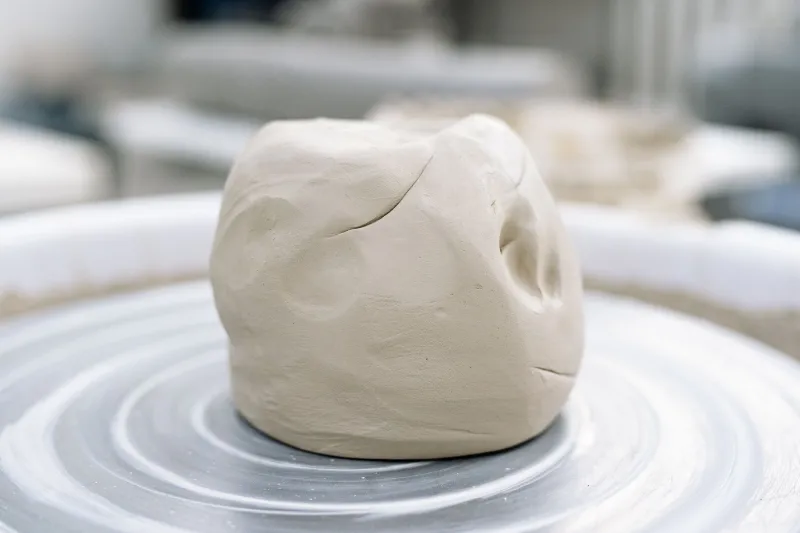
If you've never touched a pottery wheel, the first five minutes will humble you. The clay does not behave. Your hands will be covered. Something that was supposed to be a bowl will look like a collapsed volcano. This is completely normal, and in Tsuchiura's studio spaces, it's also kind of celebrated.
Several small studios in and around the city offer drop-in or bookable sessions that don't require any prior experience. English-language support varies, but most instructors communicate through demonstration and hand gestures well enough to get you through the basics. What you'll find consistently is patience — a willingness to let you fail, try again, and eventually produce something that is genuinely, imperfectly yours.
Hand-building sessions (think: coil pots, slab work, pinch pots) are often more accessible for first-timers than the wheel, and they tend to run a little longer, giving you time to settle into the material. Either way, most studios will fire your piece and arrange shipping if you want to take it home — which, after you've made something with your actual hands, you probably will.
Textile Work: Slower Than You Think, Better Than You Expect
Indigo dyeing and natural textile work have seen a real revival in Japan, and Tsuchiura has a small but enthusiastic community around it. The appeal for beginners is that the results are almost always beautiful, even when the technique is rough. Folding and tying fabric before a dye bath — the basic mechanics of shibori — produces patterns that look intentional regardless of how carefully you actually planned them.
Workshops focused on natural dyeing often incorporate local materials, which adds a layer of connection to place that you don't get from a kit-based craft experience. You might be working with plants harvested from the lake region, or experimenting with color from seasonal botanicals. The process is slow in the best way — there's a lot of waiting, which turns out to be a feature when you're trying to decompress from a packed travel itinerary.
Weaving and simple loom work also shows up in Tsuchiura's maker scene, often through community studio spaces that welcome visitors for single-session introductions. These tend to be intimate — small groups, direct instruction, the kind of environment where you can ask questions without feeling like you're holding up a tour.
The Philosophy Behind the Welcome Mat
What unites these spaces is a conscious rejection of the pressure to produce. The instructors and studio owners who've built this community talk about it in different ways, but the common thread is that they want people to experience the process — the feel of clay, the resistance of thread, the unpredictability of dye — rather than just walk away with a product.
For American visitors, this is a genuinely different experience from the typical tourist craft activity, which often involves pre-shaped kits and guided steps designed to guarantee a passable result. Tsuchiura's spaces trust you to handle uncertainty, and that trust is kind of the whole gift.
There's also no Instagram performance expected here. Some studios actively discourage phones during sessions — not in a precious way, but because the work tends to go better when you're actually paying attention to what's in your hands. If you come out with a lopsided bowl and a textile that looks like a fever dream, that's a success.
Practical Notes for Visitors
Most workshops benefit from advance booking, especially if you want English-language support or a specific session type. A few spaces offer walk-in availability on weekday mornings when tourist traffic is lighter. Prices for beginner sessions are generally reasonable by American standards — comparable to a fitness class or a cooking lesson back home.
Dress for the mess. Seriously. Clay does not come out of nice clothes, and nobody is going to hand you an apron that covers everything. Wear something you can ruin, and you'll enjoy the whole experience more.
If you're combining a craft session with a broader Tsuchiura trip, it pairs naturally with the city's food scene — a morning at a pottery studio followed by lunch at a counter-style restaurant is a pretty excellent day by any measure.
The Takeaway (Literally)
There's something specific that happens when you make a physical object with your hands in a place you've traveled to. It becomes a different kind of souvenir — not bought, but made. A little crooked, a little imperfect, and completely yours.
Tsuchiura's creative community has figured out how to offer that to people who show up with zero experience and a lot of willingness. The bar to entry is genuinely low. The mess is part of it. And the welcome is real.