Living Large on Less: How Tokyo Office Workers Discovered That Home Base Doesn't Have to Be Tokyo
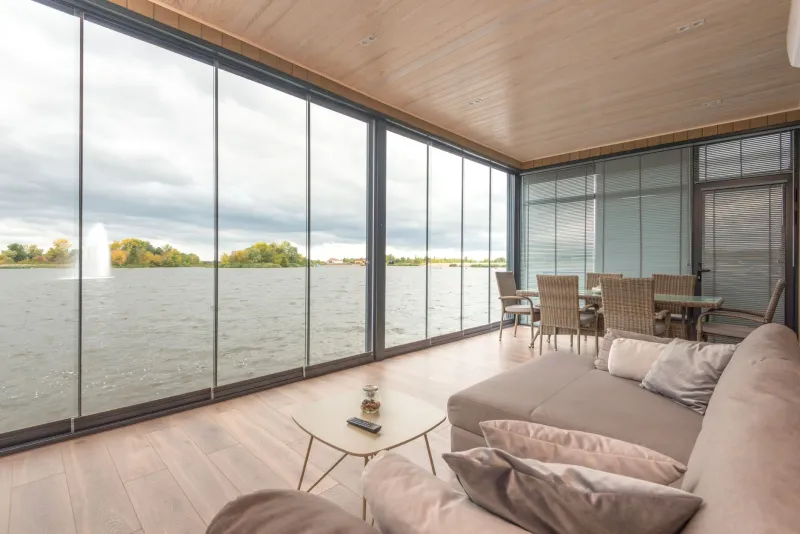
Somewhere between a third cup of convenience store coffee and another month of paying Tokyo rent for a shoebox apartment, a certain kind of office worker starts doing the math. And when they do, a lot of them end up in Tsuchiura.
It's not a dramatic revelation. Nobody's standing on a mountaintop. It usually starts with a spreadsheet, a hybrid work agreement, and the dawning realization that the city you're commuting to doesn't have to be the city you're living in.
The Numbers Don't Lie
Let's talk housing first, because that's where the conversation almost always begins. In central Tokyo, a one-bedroom apartment in a decent neighborhood will run you anywhere from ¥150,000 to ¥250,000 a month — sometimes more if you want anything resembling natural light or the ability to open your refrigerator without turning sideways.
In Tsuchiura? That same monthly budget gets you a two- or three-bedroom apartment with room to actually live in. Some workers who've made the switch describe the experience of seeing their new floor plan for the first time as genuinely disorienting — in the best possible way.
"I kept walking around thinking I was missing something," says Marcus, a 34-year-old American working in digital marketing for a Tokyo-based firm who relocated to Tsuchiura about two years ago. "Like, where's the catch? But there wasn't one. I just... had space now."
Real estate agents in the area have noticed the shift. Listings that once sat on the market for months are moving faster, and inquiries from Tokyo-area workers — both Japanese and foreign — have picked up noticeably since hybrid work arrangements became normalized. The city isn't being overrun, but there's a quiet momentum building.
The Hybrid Arrangement That Makes It Work
The whole equation depends on one thing: flexibility. Workers who've successfully made Tsuchiura their home base tend to be in roles where showing up to the Tokyo office two or three days a week is enough. The rest of the time, they're working from an actual desk in an actual room — not a folding table wedged between their bed and their kitchen.
The commute from Tsuchiura to Tokyo runs roughly 60 to 75 minutes on the express train from Tsuchiura Station to Akihabara or Ueno, which puts it in the same ballpark as commutes from outer Tokyo neighborhoods — except you're arriving from somewhere that actually felt like home the night before.
For people used to the psychological grind of Tokyo living, that distinction matters more than it sounds. You're not just logging fewer days in the office. You're logging more evenings where you can actually decompress, cook a meal, sit near a window with a view.
"I used to dread Sunday nights," says Yuki, a Japanese product manager in her early 30s who made the move after her company went hybrid. "Now I actually look forward to my commute days because I've had enough space the rest of the week to feel like a person again."
What Tsuchiura Offers That Tokyo Simply Can't
This is the part that surprises people who haven't spent real time here. Tsuchiura isn't a sacrifice. It's a trade-up in categories that Tokyo has quietly stopped competing in.
Lake Kasumigaura — one of Japan's largest lakes — sits right at the city's edge, and it's not just scenery. It's kayaking, cycling paths, waterfront restaurants, and the kind of open-sky horizon that urban Japan rarely offers. Morning runs along the lake have become a genuine ritual for transplants who couldn't have imagined that kind of routine when they were navigating Tokyo sidewalks.
The food scene is legitimately good and dramatically cheaper. Local izakayas, fresh seafood from the lake region, ramen spots that haven't been discovered by travel bloggers yet — eating well in Tsuchiura doesn't require a reservation or a budget spike.
Community is another factor that people mention more than you'd expect. Tsuchiura is big enough to have real amenities but small enough that you start recognizing faces. For Americans especially, who often feel like permanent outsiders in Tokyo's denser social fabric, that shift can feel meaningful.
The Negotiation Nobody Talks About
Here's the part that gets glossed over in most lifestyle-pivot stories: actually getting your employer to agree to this arrangement. It's not automatic, and it's not always easy.
Workers who've done it successfully tend to approach it as a business case rather than a personal request. They come prepared with data on their productivity, a concrete schedule proposal, and — critically — proof that the commute is manageable. Some even do a trial period, spending a few months testing the logistics before officially changing their registered address.
The pandemic-era normalization of remote and hybrid work helped open the door, but the door isn't wide open for everyone. Jobs that require frequent in-person collaboration, client-facing roles with unpredictable schedules, or positions with traditional Japanese management structures can make the arrangement harder to negotiate.
But for knowledge workers, creative roles, and tech-adjacent positions — a growing slice of Tokyo's workforce — the conversation is increasingly possible to have.
A Different Definition of Success
What's interesting about the people who've made this move is that most of them don't describe it primarily as a financial decision, even though the financial case is obvious. They describe it as a recalibration of what they actually want.
Tokyo is extraordinary. Nobody who's lived there seriously disputes that. But it's also a city that can quietly consume your entire life if you let it — the cost of living, the social pressure, the constant stimulation that never quite turns off.
Tsuchiura offers something different: a life that has room in it. Room for hobbies, for relationships, for the kind of slow weekend that doesn't feel like you're failing to optimize your time.
Marcus, who now spends his non-commute mornings cycling along the lake before logging on for work, puts it simply: "I'm doing the same job. I'm making the same money. I'm just actually living now."
That's the commute flip in a nutshell — and more people are figuring it out every month.