Off-Peak, On Point: The Insider's Calendar for Visiting Tsuchiura Without the Crowds
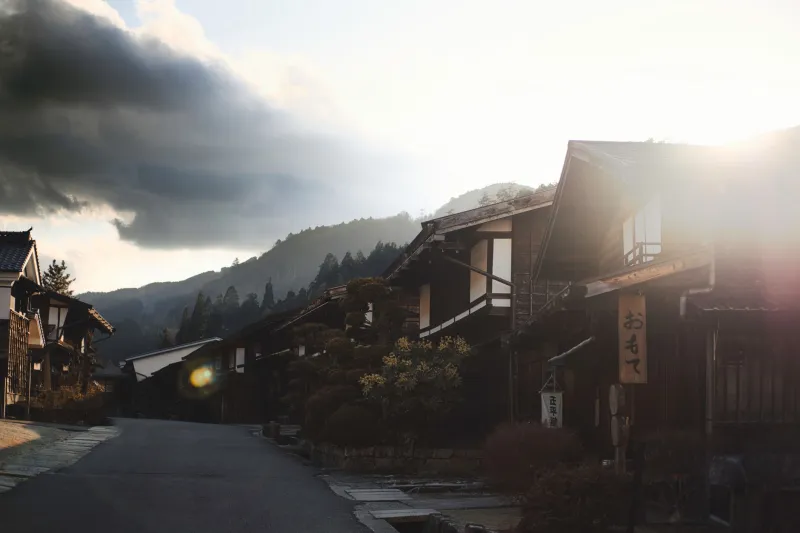
There's a version of Tsuchiura that most US visitors never see. It's not hidden, exactly—it's just slightly out of sync with the standard travel calendar. Hit it right and you get restaurant owners who pull up a stool and chat, lakefront benches that don't require a queue, and accommodation rates that leave room in the budget for an extra round of sake. Miss it and you're shoulder-to-shoulder with tour groups wondering what all the fuss was about.
The good news? The timing isn't complicated. It's just specific.
Why Peak Season Works Against You
Tsuchiura draws serious crowds during the obvious moments: the Golden Week cluster in late April through early May, the summer fireworks festival in August, and the autumn foliage weeks in October and November. These are genuinely spectacular times to be here—nobody's pretending otherwise. But when hotels are at capacity and every ramen counter has a line out the door, the casual human element that makes this city so compelling gets squeezed out. Locals are either working overtime or actively avoiding their own downtown.
The city you want to meet—the one with a slower pulse and an open door—shows up the rest of the year.
Late January Through February: The Quiet Power Move
This is Tsuchiura's most underestimated stretch. Yes, it's cold. Lake Kasumigaura in January has a certain stripped-down beauty that photographers quietly obsess over—low light, still water, almost no foot traffic on the lakeside paths. But the real draw is what happens indoors.
Restaurants that spend summer and fall running at full tilt have breathing room in February. A counter seat at an izakaya that's normally booked out becomes available on a Tuesday with no reservation. Accommodation prices drop noticeably—some smaller guesthouses and business hotels run rates that are genuinely surprising compared to peak-season quotes. If you're the kind of traveler who books a trip around eating well and sleeping comfortably without destroying your budget, late winter is your window.
Locals are also more present and less performatively busy. The conversations you have at a neighborhood coffee shop or a sake bar in February are different from the ones in October. People have time. They're curious about why you're here when nobody else is.
Early June: The Rainy Season Loophole
America's collective anxiety about Japan's rainy season (tsuyu) keeps a lot of travelers away in June, which is precisely why it's worth reconsidering. The rain is real—expect gray skies and intermittent downpours—but it's rarely the constant drench people imagine. And the gaps between showers? Often beautiful. The landscape around Lake Kasumigaura goes deeply, intensely green. Hydrangeas bloom throughout the city in a way that's almost aggressively photogenic.
Hotel rates in early June are some of the lowest you'll find all year. Restaurants are accessible. The city's weekend markets and covered shopping streets take on a cozy, unhurried quality that peak-season visitors simply don't get. Pack a decent rain jacket, embrace the atmospheric moodiness, and you'll have Tsuchiura largely to yourself.
One practical note: if your trip overlaps with a local school event or community festival in June (check the city calendar before you book), you might stumble into something genuinely wonderful—a neighborhood gathering that doesn't cater to tourists at all.
Mid-September: The Forgotten Sweet Spot
The stretch between the end of summer heat and the arrival of autumn foliage crowds is a golden window that almost nobody talks about. Mid-September in Tsuchiura is warm enough to kayak comfortably, cool enough to walk for hours without melting, and completely free of the tour bus energy that descends in October.
This is also when the city's food scene quietly transitions. Summer menus give way to early-autumn ingredients—expect restaurants to start featuring lotus root preparations (Tsuchiura's agricultural specialty), seasonal mushrooms, and the first hints of fall flavor profiles. It's a genuinely exciting time to eat here, and you'll be doing it in restaurants that have space and staff who aren't running on fumes.
Accommodation in mid-September sits in a middle range—not the deep discounts of February or June, but meaningfully cheaper than the October rush. The lakefront is accessible and calm. If you've been waiting for the version of Tsuchiura where outdoor activities and good eating coexist without logistical stress, this is it.
What You Actually Gain by Shifting Your Calendar
Beyond the practical wins—lower prices, available reservations, uncrowded viewpoints—there's something harder to quantify that off-peak timing gives you. It's access to the city as a living place rather than a destination.
Shop owners in February aren't managing foot traffic; they're happy to talk about the neighborhood history. A fishmonger at the morning market in September might spend ten minutes explaining which varieties of kasumigaura fish are at their best and why. A sake brewery that's too slammed to acknowledge walk-ins during Golden Week might offer you a spontaneous informal tasting in January because the timing is right and you showed genuine curiosity.
Tsuchiura's identity is built around its lake, its craft culture, and a community that's genuinely proud of what they've built here. That community is most accessible when the calendar isn't forcing everyone into performance mode.
The Practical Checklist Before You Book
- Check the city's event calendar before finalizing dates. Some local festivals in off-peak months are worth timing your trip around; others might temporarily spike hotel rates in an otherwise quiet period.
- Book accommodations early even in off-peak windows. Tsuchiura isn't enormous. Good smaller guesthouses fill up even in slow months if you wait too long.
- Pack for the season, not the fantasy. February requires a real coat. June requires waterproofing. September is the closest thing to universally comfortable weather you'll find.
- Leave buffer days. Off-peak travel rewards flexibility. The best experiences—the extended conversation, the unexpected market discovery, the last-minute invitation to a neighborhood event—happen when you're not racing between checkboxes.
The crowds aren't wrong for loving Tsuchiura. But they're only seeing one version of it. The other version is available year-round—you just have to show up when everyone else isn't.