Water City: How Lake Kasumigaura Turned Tsuchiura Into Japan's Quiet Adventure Hub
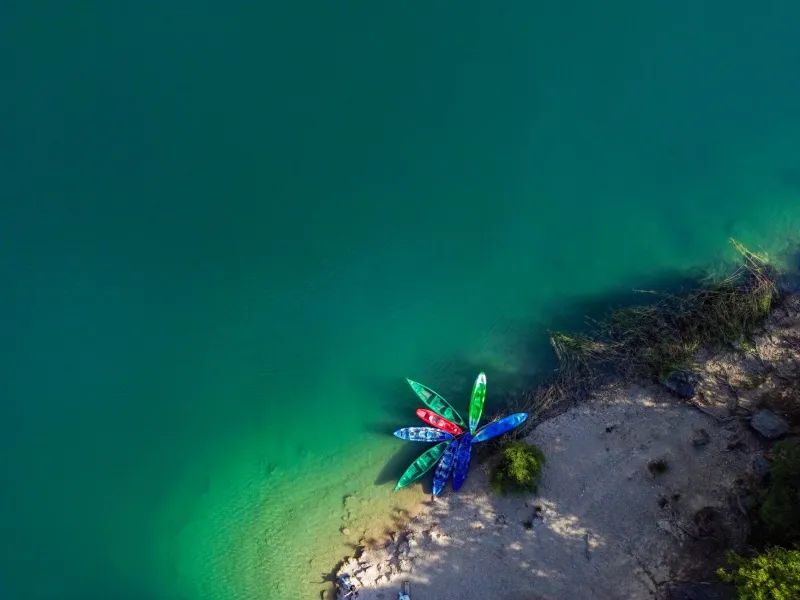
For years, travelers mapping out Japan's outdoor highlights defaulted to the same mental shortlist: hike Hakone, ski Niseko, surf Shonan. Tsuchiura — a mid-sized city about an hour from Tokyo by train — didn't make many lists. But if you ask the people who actually live and work here, that's been changing for a while. Slowly, deliberately, and without a lot of fanfare, this lakeside city has been building something worth paying attention to.
At the center of it all is Lake Kasumigaura, Japan's second-largest lake. For most of Tsuchiura's modern history, the lake was more backdrop than destination — a pretty thing to look at on your commute. What's different now is that the city, its entrepreneurs, and a growing community of transplants are finally treating it like the asset it actually is.
The Infrastructure Shift Nobody's Talking About
In the past several years, Tsuchiura has quietly invested in the bones of an outdoor destination. The lakefront cycling infrastructure has expanded significantly, with dedicated paths that connect the urban waterfront to rural stretches of the Kasumigaura-Rinko Cycling Road — a roughly 180-kilometer loop that draws serious cyclists from across the Kanto region. Kayak and paddleboard rental operators have established permanent outposts near the marina. Sailing clubs that once catered almost exclusively to locals have started offering beginner programs designed with visitors in mind.
Tsuchiura's tourism office has been threading these developments into a coherent narrative, positioning the city as a genuine outdoor base rather than a day-trip footnote. The framing is deliberate: they're not trying to compete with mountain resorts or Pacific coast surf towns. They're offering something different — freshwater adventure with city-level convenience, thirty minutes from a bullet train connection.
"We have the lake, we have the infrastructure, and we have a community that genuinely loves being outside," one city tourism official explained during a recent waterfront event. "That combination is rarer than people think."
Small Businesses Betting on the Water
The clearest sign of a real shift isn't policy — it's what local business owners are doing with their own money. Across Tsuchiura, you can see the pivot happening in real time.
A former fishing supply shop near the marina has reinvented itself as a full-service outdoor outfitter, stocking paddling gear, trail running shoes, and cycling accessories alongside its original inventory. A small guesthouse that once marketed itself purely on proximity to the train station now leads with its lake views and rents bikes directly to guests. A café that opened two years ago positioned itself explicitly as the post-ride recovery spot, with a menu built around local produce and enough outlets to charge every device a cyclist might carry.
These aren't corporate pivots backed by investor capital. They're local people reading the room and responding to a customer base that's showing up increasingly interested in doing things outdoors.
The Transplant Effect
One of the more interesting dynamics fueling Tsuchiura's outdoor identity is demographic. Over the past few years, the city has attracted a noticeable wave of younger transplants — people in their late twenties and thirties who left Tokyo not because they had to, but because they wanted a different kind of life. Many of them are athletes, or at least people who prioritize being active. Cyclists, open-water swimmers, wind sports enthusiasts.
They've brought with them a set of expectations and habits that are gradually reshaping the local culture around outdoor recreation. Group rides that start at dawn and end at a local coffee shop. Informal paddling meetups on weekend mornings. A general sense that the lake isn't just scenery — it's the point.
For American visitors, this creates a surprisingly familiar vibe. If you've ever spent time in a mid-sized US city that's built an identity around outdoor recreation — think Bend, Oregon or Chattanooga, Tennessee — you'll recognize the energy in Tsuchiura. It's not performative. It's just people who moved somewhere for a reason and are living accordingly.
What This Means If You're Visiting
Practically speaking, Tsuchiura's evolution means there's more to do here than there was five years ago, and the infrastructure to support it is meaningfully better. You can rent a decent bike without a reservation drama. You can find a kayak tour that doesn't require you to speak fluent Japanese. You can eat well after a long day on the water without having to search very hard.
The city hasn't overcorrected into tourist-mode, which is part of what makes it work. The outdoor scene here still feels like it belongs to the people who live here, with visitors welcomed in rather than catered to exclusively. That's a balance a lot of destinations lose as they grow.
For travelers who've been bouncing between Tokyo's neighborhoods and Kyoto's temples, Tsuchiura offers something neither of those cities can: the feeling of actually being outside, in a place that's built for it, surrounded by people who chose it on purpose.
The Bigger Picture
None of this happened by accident, but it also didn't happen because of some master plan handed down from a government office. Tsuchiura's shift toward becoming an outdoor destination is the result of a lot of individual decisions made by a lot of different people — city planners, shop owners, transplants, and local athletes — all pointing roughly in the same direction.
The lake was always there. What changed is how many people decided to treat it like the reason to show up.
If you've been looking for a Japan experience that gets you outside without requiring a four-hour bus ride into the mountains, Tsuchiura is worth a serious look. The splash, it turns out, has been building for a while.