Your Brain on Tsuchiura: A Traveler's Guide to Beating Japan Itinerary Burnout
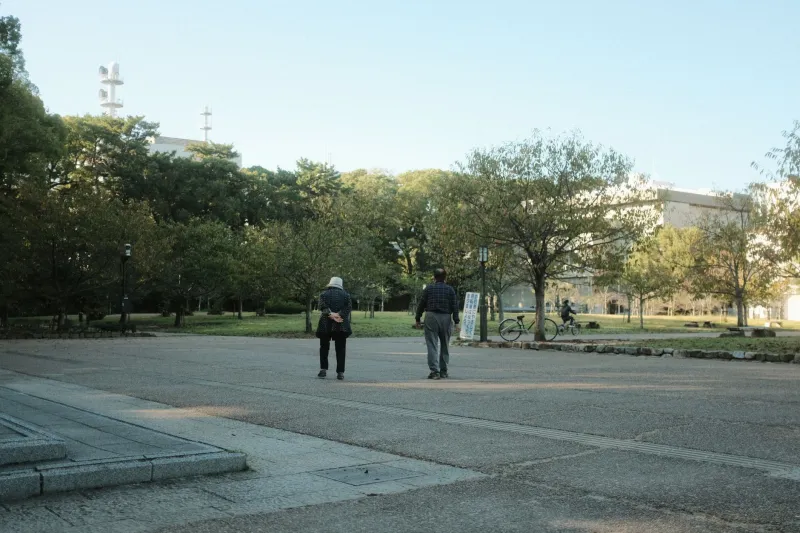
You planned the perfect Japan itinerary. Tokyo for four days, a bullet train to Kyoto, a side trip to Osaka, maybe Hiroshima if the schedule held. The spreadsheet was beautiful. The reality, somewhere around day eight, is a different story. You're standing in front of a famous something — a gate, a garden, a covered market — and you feel absolutely nothing. Your feet hurt. Your phone is full. You've eaten so much incredible food that your palate has gone numb. You are, in the parlance of experienced travelers, cooked.
This is itinerary burnout, and it's almost a rite of passage for first-time visitors to Japan. The country is so relentlessly compelling, so dense with things worth seeing and eating and doing, that most people try to absorb all of it at once. The result is a kind of sensory debt that catches up with you in a hotel corridor or on a crowded platform when you suddenly can't remember what city you're in.
Tsuchiura isn't on most itineraries. That's precisely why it should be.
Why Smaller Cities Actually Fix This
There's reasonable science behind why a day or two in a smaller, slower city can recalibrate an overwhelmed traveler. When your environment is constantly novel and stimulating — which is basically the definition of traveling through Japan's major cities — your brain stays in a low-grade alert state. You're processing constantly. It's exciting, but it's also exhausting in ways that sleep alone doesn't resolve.
Smaller cities reduce that cognitive load. Fewer visual inputs competing for attention. Less noise. More predictable rhythms. Your nervous system gets permission to actually downshift, which is different from just being tired. It's the difference between stopping and resting.
Tsuchiura offers all of this without asking you to sacrifice comfort or interest. It's not a sacrifice stop — it's a strategic one.
The Morning Lake Walk
If you do nothing else in Tsuchiura, do this: wake up before the city fully activates and walk to the lakefront.
Lake Kasumigaura in the early morning is one of those experiences that's difficult to oversell. The light comes across the water in a way that feels specific to this place — soft and wide, without the drama of mountain or ocean scenery. There are usually a few fishermen out. Sometimes a cyclist passes. The sound situation is almost aggressively calm compared to what you've been living in.
For American travelers accustomed to treating mornings as logistics time — coffee, check-out, next train — this requires a small but meaningful mental shift. The walk isn't getting you anywhere. That's the point. Twenty or thirty minutes along the waterfront path with no destination and no agenda is the kind of reset that no amount of efficient scheduling can replicate.
Bring your actual camera if you have one. The light is worth it, and the act of shooting something slowly, without the pressure of a must-see backdrop, is its own kind of decompression.
Cycling as Moving Meditation
Tsuchiura has good bike infrastructure, and renting one for a few hours is easy enough that you don't need to plan much around it. What you do with that bike is up to you, but here's a suggestion: don't plan a route.
Or plan a loose one. Head generally toward the lake path, pick a direction, and ride until something catches your attention or until you feel like turning around. The Kasumigaura cycling paths are well-maintained and flat enough that you're not working very hard — which means your legs are doing something useful while your brain is essentially doing nothing. That combination, sustained movement without mental effort, is genuinely restorative in a way that sitting still sometimes isn't.
For travelers who struggle to actually rest because stillness makes them anxious (a very American affliction, and a completely understandable one), cycling in Tsuchiura is the workaround. You're moving, you're covering ground, you're technically doing something. You're also, quietly, recovering.
The Onsen Equation
If you haven't yet incorporated an onsen into your Japan trip, Tsuchiura is a low-pressure place to start. The local bathing culture here is less formal than some of the more famous onsen towns, which makes it accessible for visitors who feel uncertain about the etiquette.
The ritual itself — soak, step out, cool down, repeat — does something measurable to a tired body. The heat increases circulation, loosens whatever your shoulders have been doing for the past week of carrying a backpack, and creates a forced stillness that most travelers don't give themselves permission to experience otherwise. An hour in an onsen isn't an hour wasted. It's an hour invested in being able to enjoy the next three days of your trip at full capacity.
Pair an evening onsen with a slow dinner at one of Tsuchiura's izakaya and you've basically assembled the perfect reset protocol.
Eating Without Urgency
One of the subtler symptoms of itinerary burnout is that meals stop being experiences and start being logistics. You're eating because you need to eat, choosing places based on proximity and queue length, consuming food that would have blown your mind on day two without really tasting it anymore.
Tsuchiura's food scene is good enough to re-engage that dulled palate without overwhelming it. The city has a strong local fish culture thanks to the lake, decent ramen options, and the kind of neighborhood restaurants where the menu is short and the ingredients are fresh. There's no pressure here. No line snaking around the block for a reservation you made three weeks ago. Just a table, some food, and enough time to actually pay attention to what you're eating.
That sounds small. After a week of high-stakes dining in Japan's major cities, it's enormous.
Building Your Tsuchiura Reset Day
If you're working this into an existing itinerary, here's a rough shape that works well: arrive the evening before your rest day, check into accommodation near the waterfront, and let the pace of the city start doing its work immediately. Morning lake walk. Late breakfast. A few hours on a bike or a kayak. Lunch somewhere slow. Afternoon onsen. Dinner at an izakaya with no particular agenda afterward.
By the time you board the train to your next destination, you'll remember what it felt like on day one — when everything was interesting and your feet didn't hurt and you actually wanted to be in Japan. That feeling is recoverable. Tsuchiura is one of the more reliable places to find it.