Dirt Under Your Fingernails: The Farm-to-Table Food Movement Growing Quietly in Tsuchiura
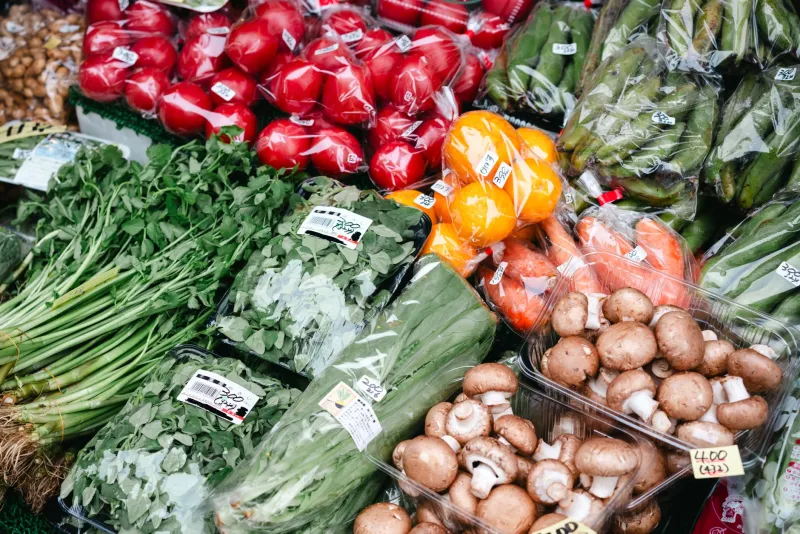
Farm-to-table has become such a well-worn phrase in American food culture that it's almost lost meaning. In certain US cities, it's a marketing term applied to restaurants that may or may not have a genuine relationship with any farm. In Tsuchiura, it's a description of something more literal — and more interesting.
The Ibaraki Prefecture region surrounding Tsuchiura is serious agricultural territory. The soil and climate support a wide range of produce, and the proximity to Lake Kasumigaura adds freshwater fish to a larder that already includes lotus root, sweet potatoes, pears, and a rotating cast of vegetables that change with the seasons. What's been happening in recent years is that the connection between this productive agricultural landscape and the people cooking within it has gotten more intentional, more visible, and more accessible to outsiders.
This isn't agritourism in the brochure sense. It's something more organic than that.
The Farmers Who Started Talking
For most of Tsuchiura's agricultural history, the relationship between farmer and consumer ran through intermediaries — wholesale markets, distribution networks, grocery stores. Farmers grew things. Other people figured out where those things ended up. The two groups didn't interact much.
That model hasn't disappeared, but it's been supplemented by something more direct. A handful of local producers have started showing up at weekend markets, inviting visitors to their land, and in some cases hosting small-group farm experiences that let people understand where their food actually comes from before it's been cleaned and packaged.
One lotus root farmer near the lake — lotus root is a genuine Ibaraki specialty, used in everything from tempura to salads — began offering informal farm visits after noticing that the visitors who came to Tsuchiura for the lake kept asking questions about the agricultural scenery they were cycling past. What started as an occasional thing has become a regular part of how he interacts with the world outside his farm. He's not running a tourist operation. He's just a farmer who decided that explaining his work to interested people was more satisfying than not doing it.
That spirit — generous, practical, not particularly commercialized — characterizes a lot of what's happening in Tsuchiura's grassroots food scene.
The Home Cooks Connecting the Dots
Between the farms and the restaurants, there's a community of home-based cooks and small-scale food entrepreneurs who have become the connective tissue of Tsuchiura's emerging food movement. These are people who take local ingredients seriously, cook with skill and intention, and have started sharing what they do in ways that range from informal supper clubs to structured cooking classes.
Some of them operate out of their homes. Others have found space in shared kitchens or community centers. What they have in common is a commitment to cooking with what's actually available locally — which means their menus shift constantly with the seasons and their ingredient sourcing involves relationships with specific farms rather than orders placed through distributors.
For American visitors accustomed to the cookbook-and-influencer version of Japanese home cooking, spending time with one of these cooks is a genuinely different experience. The food is rooted in place in a way that's hard to replicate from a recipe. A dish made with lotus root harvested from a field you drove past that morning, prepared by someone who learned the technique from a grandmother in the same prefecture, tastes like something that couldn't have happened anywhere else. That's not a marketing pitch — it's just the logic of specificity applied to food.
Cooking Classes That Actually Teach You Something
Several of Tsuchiura's small cooking schools and individual instructors offer classes that are structured around local and seasonal ingredients, which distinguishes them from the more generic Japanese cooking experiences available in Tokyo. You're not learning to make sushi in a demonstration kitchen designed for tourists. You're learning to cook the way people in this specific place actually cook, with ingredients sourced from a few miles away.
Classes vary in format — some are hands-on from the start, others begin with a market visit to select ingredients — but the better ones share a common quality: they treat participants as adults who can handle real instruction rather than simplified versions of it. If you've done cooking classes in the US and found them underwhelming, the Tsuchiura versions are worth approaching with fresh expectations.
Language can be a variable, but many instructors have experience working with non-Japanese speakers, and the physical nature of cooking means a lot can be communicated without perfect translation. Bring patience and a willingness to ask questions through gesture if necessary. It works.
Farm Visits as Food Education
If you want to go deeper than a cooking class, some of Tsuchiura's agricultural producers welcome visitors for farm experiences that range from a couple of hours to a full half-day. These aren't petting zoos or staged harvest photo opportunities. They're actual working farms where the experience of showing up and helping with something real — harvesting vegetables, understanding irrigation, seeing the physical scale of what it takes to grow food — changes how you think about what you eat afterward.
The best way to find these experiences is through local guesthouses and smaller accommodation operators, who often have direct relationships with nearby farms and can make introductions. Showing up at a farmers market and having a genuine conversation with vendors is another reliable entry point — express interest in seeing where something was grown, and you may find yourself invited.
The Food Entrepreneurs Bringing It Together
At the retail end of Tsuchiura's food movement, a small but growing number of entrepreneurs are building businesses around local sourcing in ways that make the scene visible to visitors who don't have time to dig for it. A jam maker who works exclusively with Ibaraki fruit. A pickle producer whose product line reads like a seasonal calendar of the region's agriculture. A small café that changes its menu based on what's coming out of farms within a certain radius.
These businesses function as accessible entry points into a food culture that rewards curiosity. You can buy a jar of something, taste it, and suddenly have a question worth following — where did this come from, how was it made, what else grows near here?
That question, followed honestly, tends to lead somewhere interesting in Tsuchiura. The farms are close. The people growing things are accessible. And the food, when you trace it back to its source, turns out to be the beginning of a much longer conversation about this place.