After the Fermentation Tank: How Tsuchiura's Food Makers Live When Nobody's Watching
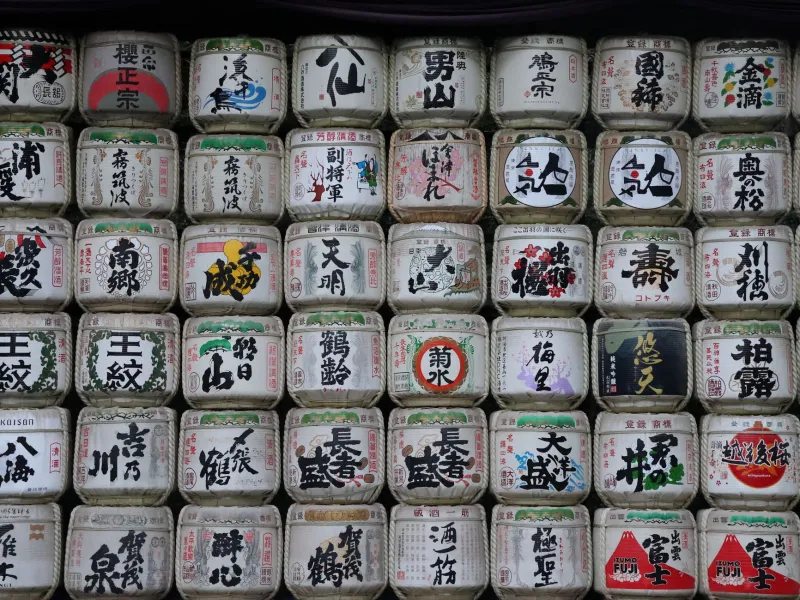
If you've spent any time eating and drinking your way through Tsuchiura, you've probably had a moment where something tasted different. Not just good—considered. A soy sauce with a depth that made you put down your chopsticks. A sake that finished in a way you weren't expecting. A piece of lake fish prepared so simply it seemed almost confrontational in its confidence.
Behind those moments are people who have thought about food with an intensity that most of us reserve for things we're professionally obligated to care about. But here's what's interesting: talk to Tsuchiura's food artisans outside their working hours and you discover that the intensity doesn't switch off. It just changes shape.
The Brewer Who Eats Ramen at Midnight
Take Kenji, who runs a small sake operation on the city's quieter western edge. On his day off—which arrives irregularly and is jealously protected—he doesn't spend time thinking about rice polishing ratios or fermentation temperatures. He eats ramen. Specifically, he seeks out the kind of bowls that most food writers would overlook: counter-only spots with no Instagram presence, serving tonkotsu or shoyu with a directness that he describes, without irony, as "honest."
"I make something that takes months," he says, pulling apart a chashu slice with the focused attention of someone who cannot actually turn off their palate. "I like eating things that take twenty minutes. It's a good reset."
What he's describing is a relationship with food that's defined by contrast rather than consistency. The painstaking slowness of sake production creates a genuine appetite for its opposite—food that's immediate, unpretentious, and consumed without ceremony. His favorite ramen spot is a seven-minute walk from his brewery. He's never told a journalist about it before. He's a little reluctant to tell us.
Fermentation as a Lifestyle, Not a Job Title
Tsuchiura sits in a region with deep roots in fermentation culture—soy sauce, miso, preserved fish products, sake—and the people who work in these traditions tend to share a particular kind of worldview. They're comfortable with processes they can't fully control. They trust time. They find impatience genuinely baffling.
Midori, who manages production at a small miso producer that's been operating in some form for generations, spends her days off gardening. Not a metaphorical garden—a real, productive, slightly chaotic plot on the edge of her family's property where she grows vegetables she uses to test her own products at home. She'll spend a Sunday afternoon making a simple miso soup with ingredients she grew herself, adjusting the ratio, tasting it cold and warm, taking notes on her phone.
"People think I'm obsessive," she says, not sounding particularly bothered by this. "But it's not obsession. It's just that I find these questions genuinely interesting. What does this vegetable do to this miso? I want to know."
Her passion project—something she hasn't formally launched but talks about with visible excitement—is a small seasonal tasting series she hosts for friends and neighbors, pairing her miso products with local sake and produce in combinations that follow the agricultural calendar. It's not a business yet. It might become one. Either way, it's shaping how a growing circle of Tsuchiura residents think about fermented food as something worth paying close attention to.
The Fishmonger's Day Off Smells Like the Lake
There's a particular category of Tsuchiura food identity that's tied directly to Lake Kasumigaura—one of Japan's largest lakes and the source of some of the city's most distinctive ingredients. Wakasagi (smelt), catfish, carp, and various freshwater species have been part of the local diet for centuries, and the people who work with these ingredients carry a relationship with the lake that's almost impossible to separate from their personal lives.
Hiroshi, who runs a fishmonger stall at one of the city's morning markets, spends his days off—when he gets them—kayaking. Not fishing. Kayaking. "When I'm fishing, I'm working," he explains with a patience that suggests he's made this distinction many times. "When I'm on the water for myself, I'm just watching."
What he watches has, over years, informed how he talks to customers about what they're buying. He notices which parts of the lake are running well in which seasons. He's developed an informal mental map of water quality, fish behavior, and seasonal variation that goes well beyond what's commercially necessary. It shows up in the specificity of his recommendations—not just "this is fresh" but "this is from the eastern basin, the flavor is lighter right now, cook it simply."
His off-hours aren't separate from his work identity. They're the research department.
Why This Matters for How You Eat Here
Understanding that Tsuchiura's food artisans are this deeply embedded in their craft—and this genuinely curious about food outside their own production—changes how you should approach eating in this city.
The products at the morning market aren't just local souvenirs. They're made by people with opinions, histories, and recommendations. Ask the miso producer what she'd pair her product with. Ask the fishmonger which preparation he'd choose for a weeknight dinner. Ask the sake brewer where he eats on his day off.
They'll tell you. And what they tell you will be more useful than anything on a menu.
Tsuchiura's food identity is still being written, and it's being written by people who think about it during their commute, on their days off, and at midnight over a bowl of ramen. That's not a marketing line—it's just what happens when a city's craft culture is driven by genuine curiosity rather than trend-chasing.
The best meal you have here will probably be one that a food maker pointed you toward. Follow them off the clock. That's where the real recommendations live.